
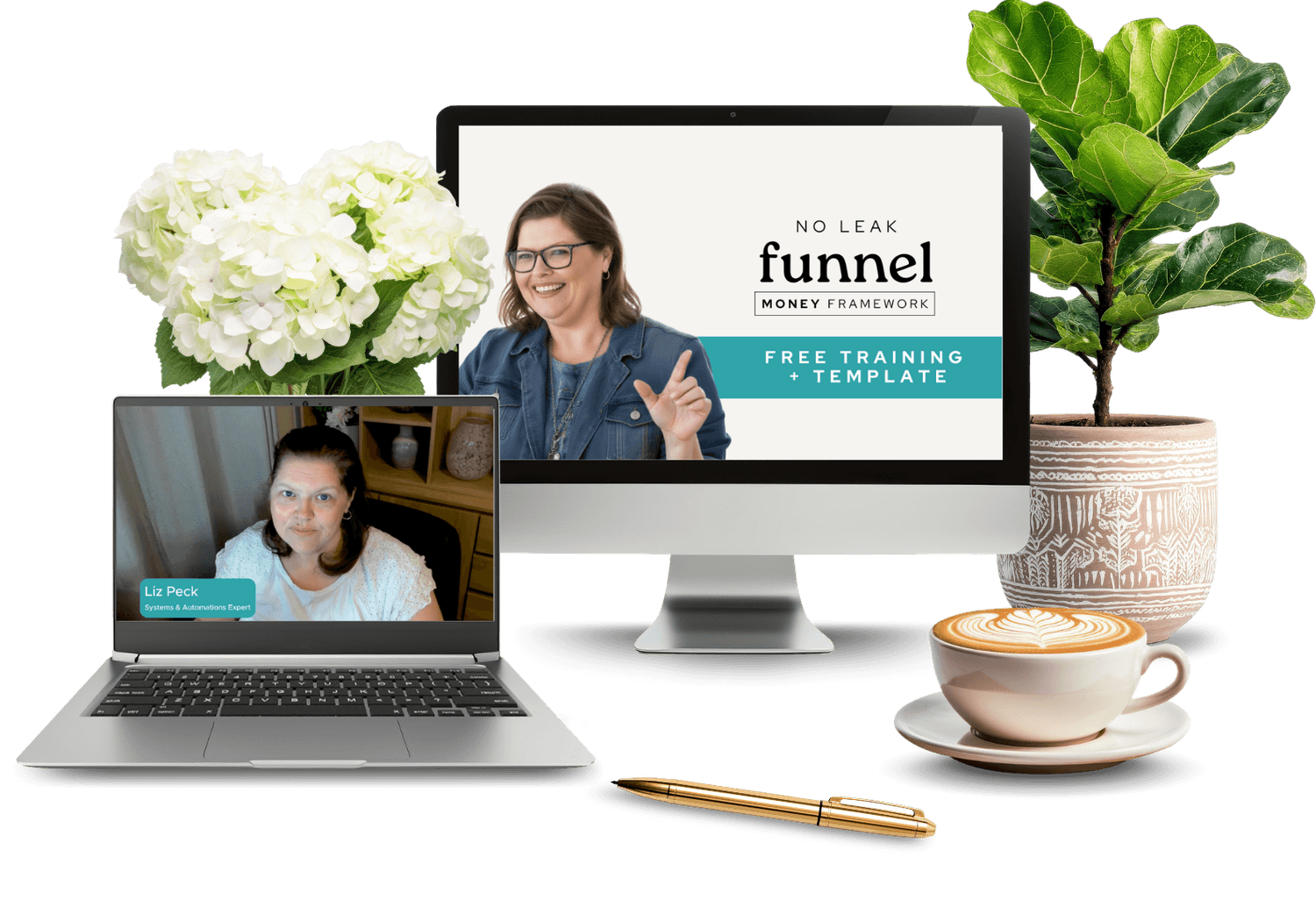
GRAB MY FREE TRAINING
The No Leaks Funnel

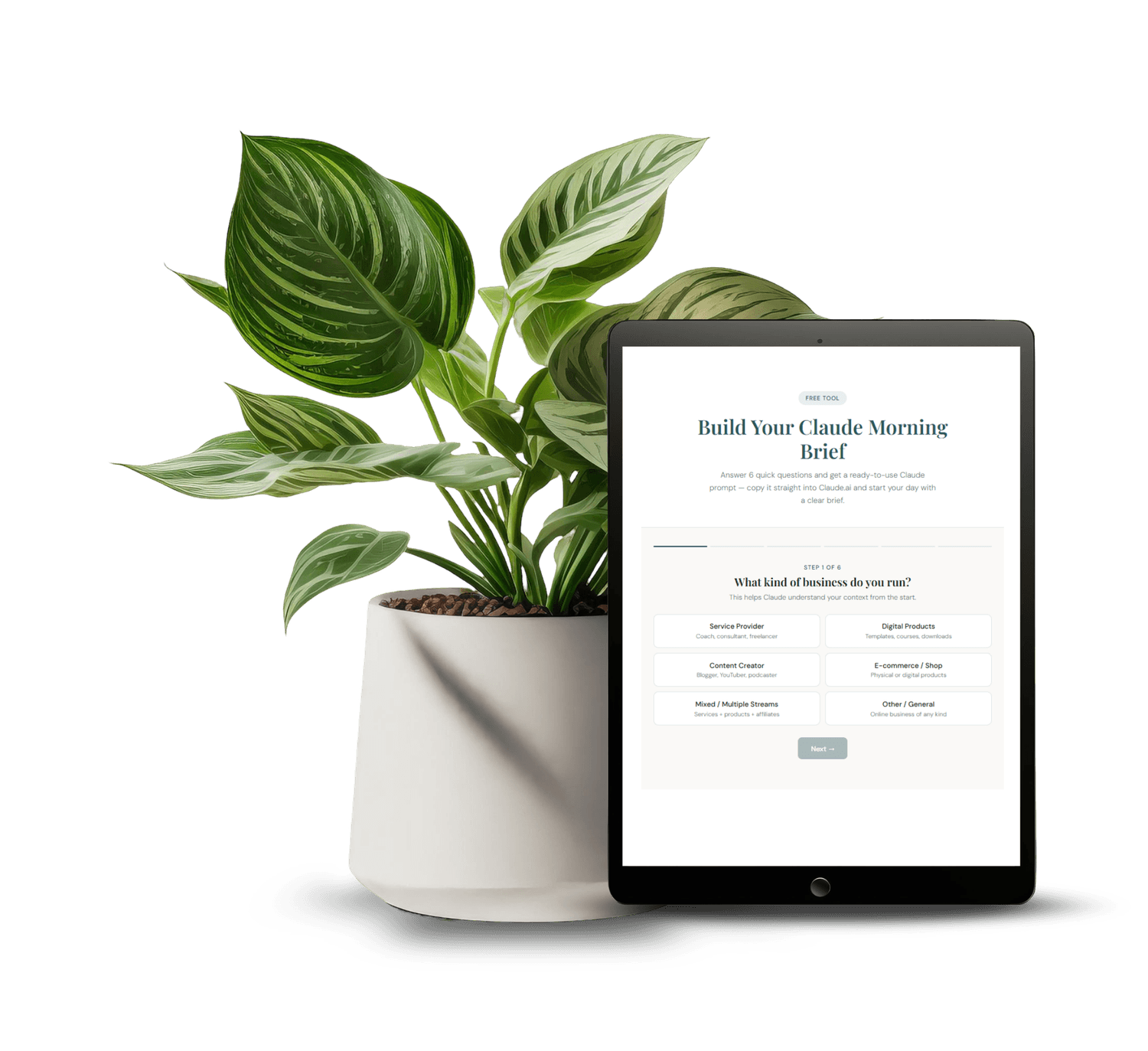
GRAB MY FREE APP
Morning Brief Claude AI Prompt
Set-up your custom morning brief for Claude
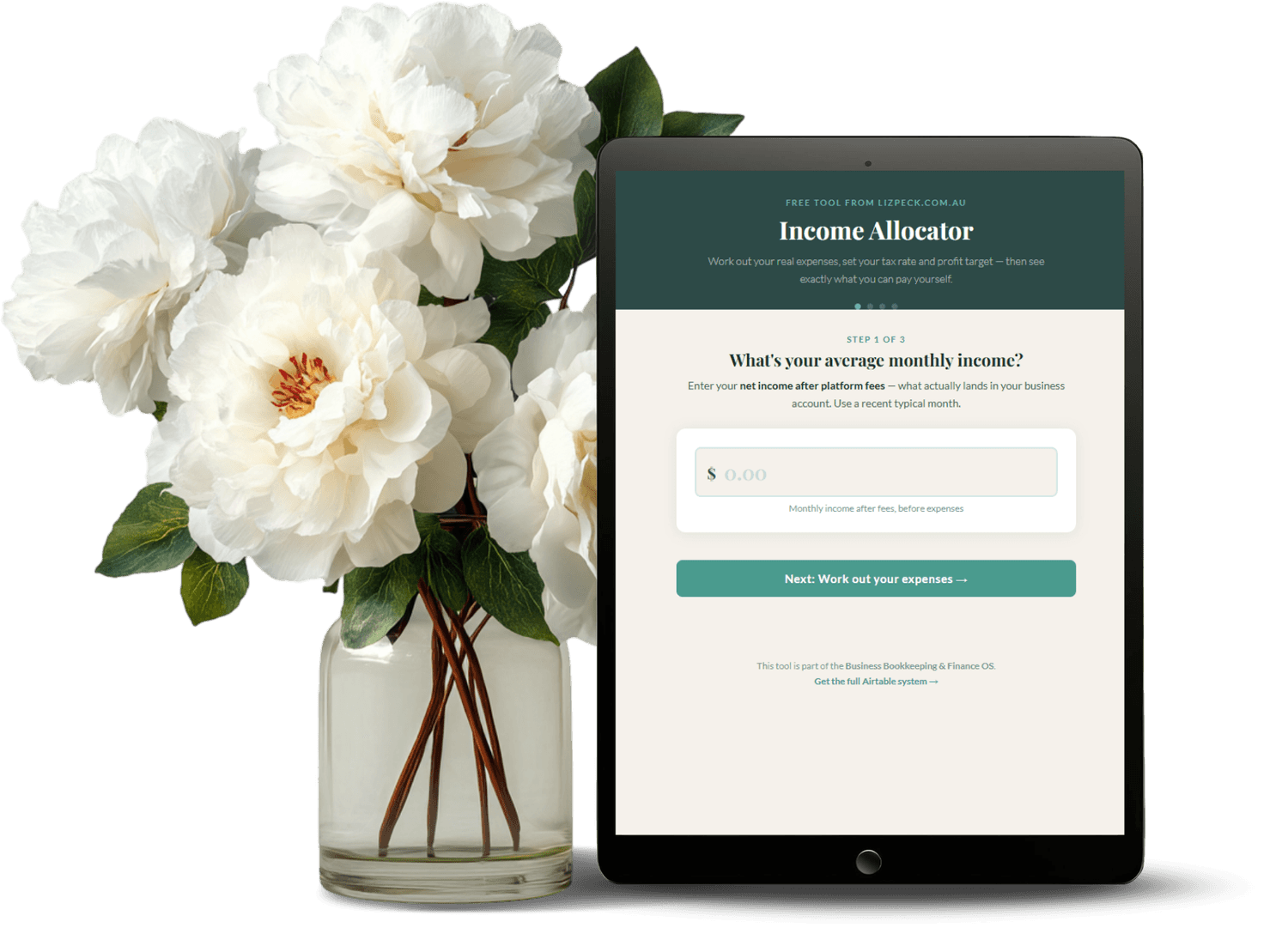
GRAB MY FREE APP
Income Allocator
Work out how to break down your income properly with percentages
How to Start a Blog That Drives Consistent Traffic to Your Digital Products
I waited too long to start a blog. I knew I should have started one years ago, but the thought of writing so many articles put me off. It felt like too much work up front with too little return.
Then AI came along and everything changed. I can now write my angles, thoughts, and opinions, give Claude access to my voice bank, and get it to help me write posts that rank in search and drive traffic to my offers. Posts that actually sound like me because my thinking is built into everything.
If you've been putting off starting a blog for the same reasons I did, this breaks down how I actually do it now, what platform I use, and how the system works.
Why Blogging Still Works for Digital Product Sellers
Social media traffic is borrowed. When the algorithm changes or you take a week off, the views drop. Blog traffic compounds over time because it lives on search engines. A post that ranks well keeps sending people to your products month after month without you having to do anything new.
For digital product sellers specifically, this is valuable because your buyers are usually searching for solutions. They type in 'how to create Canva templates to sell on Etsy' or 'best tool for digital product delivery' and if your post answers that, they find you.
This is traffic that arrives with intent, which converts better than traffic from social media where people are mostly browsing.
What Platform to Blog On
I use Systeme.io for my blog and it is the same platform I use for my funnels, email list, and course portals. One platform for everything keeps things simple.
The page builder is drag and drop, the blog setup is straightforward, and the price is capped so it does not scale up as your business grows. That is the part that matters most. Most other platforms charge more as you get more subscribers or traffic, which adds financial pressure at exactly the point when your business is starting to gain momentum.
I genuinely recommend Systeme not just as a starting point but as a long-term platform that grows with you.
How to Choose What to Blog About
Blog posts need to target what your ideal buyer is actually searching for. Not what you want to write about. What they type into Google when they have a problem you solve.
For a digital product seller, this is usually a mix of informational posts (how to do something) and transactional posts (reviews, comparisons, recommendations). The informational posts build trust and audience. The transactional posts convert readers into buyers.
You want enough posts in each topic cluster that search engines understand you are an authority on that subject. That is when the traffic starts to compound.
Content Clusters and Why They Matter
Google does not just look at individual posts. It looks at how much you have written about a topic overall. If you have 15 posts about Airtable for online business and they all link to each other, you start to rank better for Airtable-related searches than someone who wrote one post about it.
This is called a content cluster. You pick a core topic, write a range of posts around it, and link them together. Over time, the whole cluster lifts in rankings.
The key is consistency. A few posts a week on a clear topic cluster beats sporadic publishing on random subjects.
Using Airtable as Your Content System
I plan and manage all my content in Airtable. Every blog topic, angle, primary keyword, status, and publish date lives there. When I sit down to write, I am not starting from scratch wondering what to create. I open the content hub and pick the next post that is ready.
Airtable links everything together. My blog posts connect to my products, keywords, and email content. I can see at a glance which posts are promoting which products and whether there are any gaps.
If you want the same setup, the Content System Starter is the done-for-you Airtable content planning system I use to manage all of this.
How AI Changes the Writing Process
Writing 10 blog posts a week used to feel impossible. Now I write my angle for each post, give Claude access to my voice bank, and it writes a full draft in a few minutes. I review and adjust where needed, but the heavy lifting is done.
The key is that I am still putting my thoughts and experience in first. The angle, the opinion, the personal story. That is what makes the post sound like me rather than generic AI content. Claude just handles the structure and the writing.
For more on how to set this up, how to give Claude AI your brand voice explains the process in detail.
Linking Your Blog to Your Products
Every blog post should have a reason to exist beyond just getting traffic. It should lead somewhere. Either to a product, an email opt-in, or a related post that leads to a product.
You do not need to be salesy about it. A contextual mention of a product that solves the problem you are writing about is enough. The reader is already interested in the topic. If your product genuinely helps with it, mentioning it makes sense.
This is why planning blog topics around your products matters. When you know what you want to promote, you write posts that attract the right readers for it.
Common Blogging Mistakes to Avoid
Starting with no plan and just writing whatever comes to mind. Without a topic cluster strategy, you write about everything and rank for nothing. Pick a few core subjects and go deep on them.
Publishing inconsistently. A burst of 20 posts then nothing for three months hurts more than steady publishing. Even two posts a week, every week, beats an irregular high-volume approach.
Not linking your posts together. Internal links matter for both readers and search engines. When you write a new post, link it to other relevant posts you have already published.
What Consistent Blogging Looks Like After 6 Months
At around the six month mark, something shifts. Posts you wrote in the first few months start ranking in Google. You start seeing traffic from search rather than just from sharing links on social media. It is small at first, then it starts to compound.
By 12 months, if you have been consistent and strategic about it, your blog can be generating a meaningful portion of your leads and sales without you having to do anything much actively. That is the return on the upfront investment.
The reality is that most people do not get there because they stop before the compounding kicks in. If you can stay consistent for a year, the results tend to speak for themselves.
FAQ
Do I need a website separate from my blog?
Not necessarily. Many bloggers use the same platform for their blog and their sales pages. This is what I do with Systeme.io. One platform handles everything.
How many posts do I need before I start getting traffic?
There is no exact number, but most people start seeing meaningful organic traffic once they have 30-50 posts targeting specific keywords within their topic clusters.
Do I need to write all my blog posts myself?
No. You can use AI to help draft and structure posts, but you need to put your own thinking and experience in first. Posts that are 100% AI-generated with no personal input tend to sound generic and do not rank as well.
How do I connect my blog to my email list?
Most blogging platforms including Systeme.io have opt-in forms built in. You can add a form to any post linking to a freebie or lead magnet. Every blog reader who opts in becomes an email subscriber.
Disclaimer:
This website may contain affiliate links. If you click a link and make a purchase, I may receive a small commission at no extra cost to you.

About Liz Peck
Liz Peck helps online business owners build the backend that runs without them - using Airtable for operations, Systeme for sales, and Claude AI for the work you hate doing twice. lizpeck.com.au
Disclaimer:
This website may contain affiliate links. If you click a link and make a purchase, I may receive a small commission at no extra cost to you.