

GRAB MY FREE TRAINING
The No Leaks Funnel


GRAB MY FREE APP
Morning Brief Claude AI Prompt
Set-up your custom morning brief for Claude
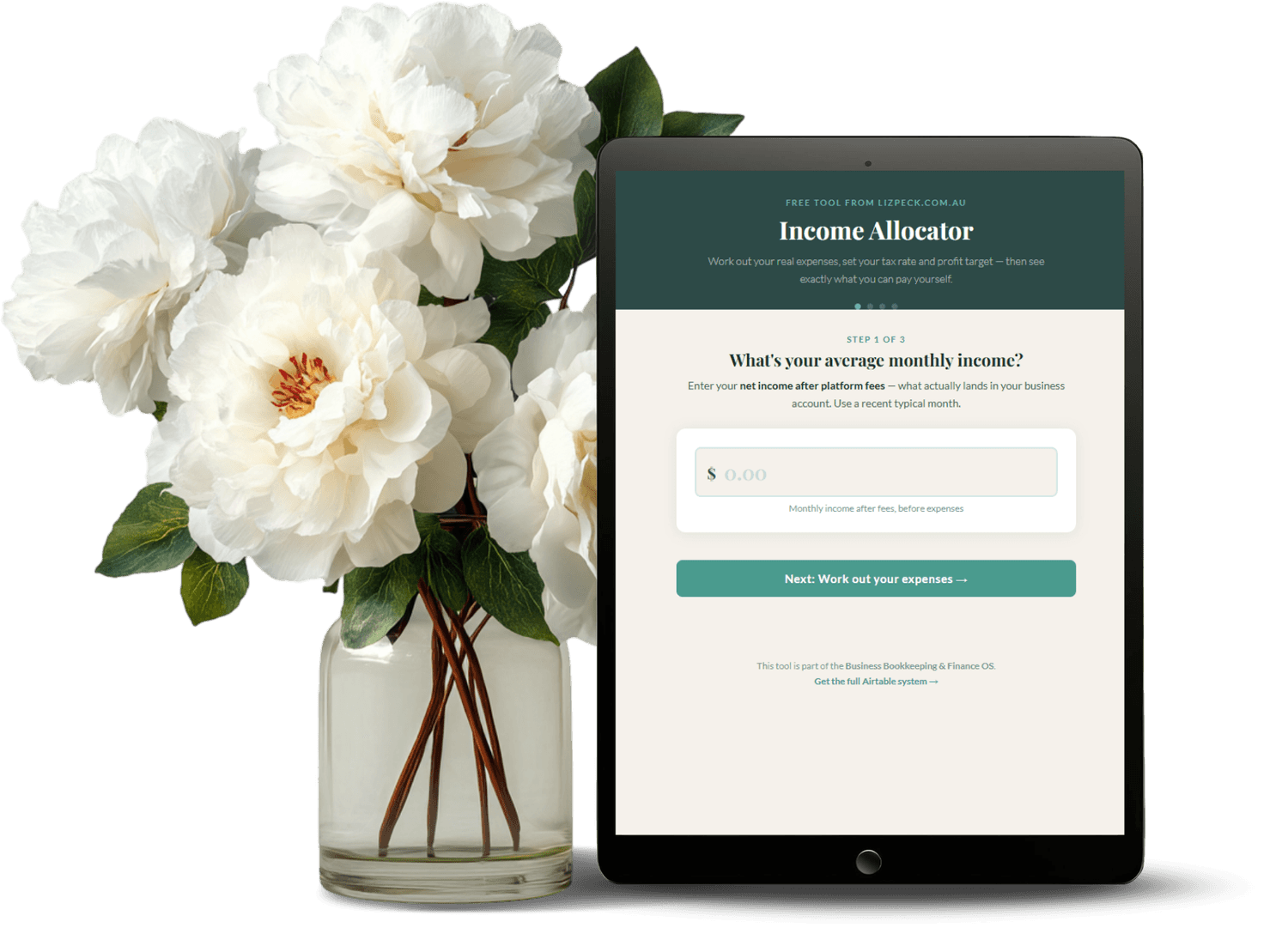
GRAB MY FREE APP
Income Allocator
Work out how to break down your income properly with percentages
How to Give Claude AI Your Brand Voice (So It StopsSounding Like a Robot)
The real reason AI content sounds like a robot
The reason most AI-generated content sounds robotic is because people don't give the AI enough of themselves. They type a generic prompt, get a generic answer, and then blame the tool. But the truth is, Claude AI can write in your brand voice once you teach it how you actually talk.
I spent months frustrated with AI output before I figured this out. Every blog post, email, and social caption sounded like it came from the same corporate template factory. It wasn't until I built a proper voice bank that things changed.
What a brand voice actually is (and isn't)
Your brand voice isn't a logo or a colour palette. It's the way you string words together. The phrases you naturally reach for. The things you'd never say. The opinions you hold about your industry that most people are too polite to share.
For me, it's short sentences. Observations over explanations. A preference for calm and grounded over hyped and motivational. I don't use phrases like "passive income while you sleep" or "game changer" because they don't sound like something I'd actually say out loud.
Most people skip this step because it feels unnecessary. They think the AI will just figure it out. It won't.
How I built my voice bank in Airtable
I created a table in Airtable called the Voice Bank. It has fields for: voice description, how I write, phrases I naturally use, language to avoid, sales and CTA rules, and my beliefs about marketing.
The voice description is the overall tone. Mine says things like calm, clear, confident, professional but approachable. No hype, no hustle.
The "how I write" field is where I get specific. Short paragraphs, 2 to 4 sentences max. Write like a real person thinking out loud. Prefer observations over explanations. If a sentence sounds like teaching, rewrite it as something I've noticed.
The "phrases I naturally use" field has things like "here's the thing", "most people don't realise", "this is usually where things stall". These are the phrases that make my writing sound like me.
The "language to avoid" field is just as important. No em dashes. No "in conclusion". No "key takeaways". No "game changer" or "six figures" or "you need to".
If you want to set up your own Airtable for this, you can sign up using my link.
Feeding your voice bank to Claude
Once you've documented your voice, the next step is making sure Claude actually uses it. In Claude Code, I use skills which are basically instruction files that Claude reads before completing a task. The voice bank is loaded every time Claude writes anything for me.
If you're using Claude in the browser (claude.ai), you can paste your voice bank into your project instructions or at the start of a conversation. The key is giving Claude all of the rules before it starts writing. Not after.
I've noticed that when I don't include the voice bank, the output defaults to that generic, corporate, helpful-assistant tone. The kind of writing that could come from any business. It's not bad, it's just not me.
The thoughts and opinions that make it yours
The voice bank handles how you write. But the opinions are what make the content actually interesting.
I keep a separate table called Thoughts and Opinions Library. Each record is something I believe about my industry, what I've seen in practice, what people get wrong, and why it matters. These aren't citations or research. They're lived experience.
For example, one of my opinions is that people let AI do everything and then it all starts to sound the same. People refer to it as AI slop. It's not that AI can't help you, it definitely can. But it needs your thoughts, opinions and experience injected so that it can make content that aligns with you.
When Claude writes a blog post or email for me, it pulls from these opinions and weaves them into the content naturally. That's what makes the output sound like something I'd actually publish.
What people get wrong about AI and voice
The biggest mistake I see is treating AI as a content replacement instead of a content assistant. People expect to type a topic and get back a finished article. That's not how it works if you want quality.
The other mistake is not being specific enough in the instructions. Saying "write in a casual tone" gives Claude almost nothing to work with. Saying "write in short paragraphs, prefer observations over explanations, never use em dashes or phrases like game changer" gives it something concrete.
No one can replace your lived experience and knowledge. You need to use it.
The setup that actually works
Here's what I'd recommend if you're starting from scratch:
1. Write down 5 to 10 phrases you use all the time in conversation or in your content
2. Write down 5 to 10 phrases or words you'd never use
3. Describe your tone in 3 to 4 adjectives (mine: calm, clear, confident, grounded)
4. Write 3 to 5 opinions you hold about your industry that most people don't talk about
5. Put all of this in one place (Airtable works great for this, but even a Google Doc will do)
6. Feed it to Claude at the start of every writing session
If you want a more structured approach, I use Claude with skills that automatically load the voice bank and opinions library every time. This means I don't have to paste anything manually.
The difference it makes
Before the voice bank, I rewrote almost everything Claude gave me. Now I make minor edits. The output isn't perfect every time, but it sounds like me. The paragraphs are short. The language is grounded. The opinions are real.
The time savings are significant. But the bigger win is that I actually publish the content instead of letting it sit in drafts because it didn't feel right.
FAQ
How long does it take to set up a voice bank for Claude?
The initial setup takes about an hour if you're thoughtful about it. You can refine it over time as you notice gaps in the output.
Can I use this approach with ChatGPT too?
Yes, the concept works with any AI tool. The difference is that Claude tends to follow detailed instructions more consistently, while ChatGPT sometimes reverts to its default tone.
Do I need Airtable for this?
No. You can use a Google Doc, Notion, or even a text file. Airtable is useful because you can structure the data and connect it to other systems, but the format matters less than actually documenting your voice.
How often should I update my voice bank?
Check it every month or two. You'll notice patterns in the output that need correcting, like phrases that keep slipping through or opinions that have shifted.
What if I don't know what my brand voice is?
Start by looking at content you've written that felt natural. What did you do differently in those pieces? Also look at content from others that makes you cringe. What specifically bothers you about it? Both of those give you data points for your voice bank.
Disclaimer:
This website may contain affiliate links. If you click a link and make a purchase, I may receive a small commission at no extra cost to you.

About Liz Peck
Liz Peck helps online business owners build the backend that runs without them - using Airtable for operations, Systeme for sales, and Claude AI for the work you hate doing twice. lizpeck.com.au
Disclaimer:
This website may contain affiliate links. If you click a link and make a purchase, I may receive a small commission at no extra cost to you.