

GRAB MY FREE TRAINING
The No Leaks Funnel

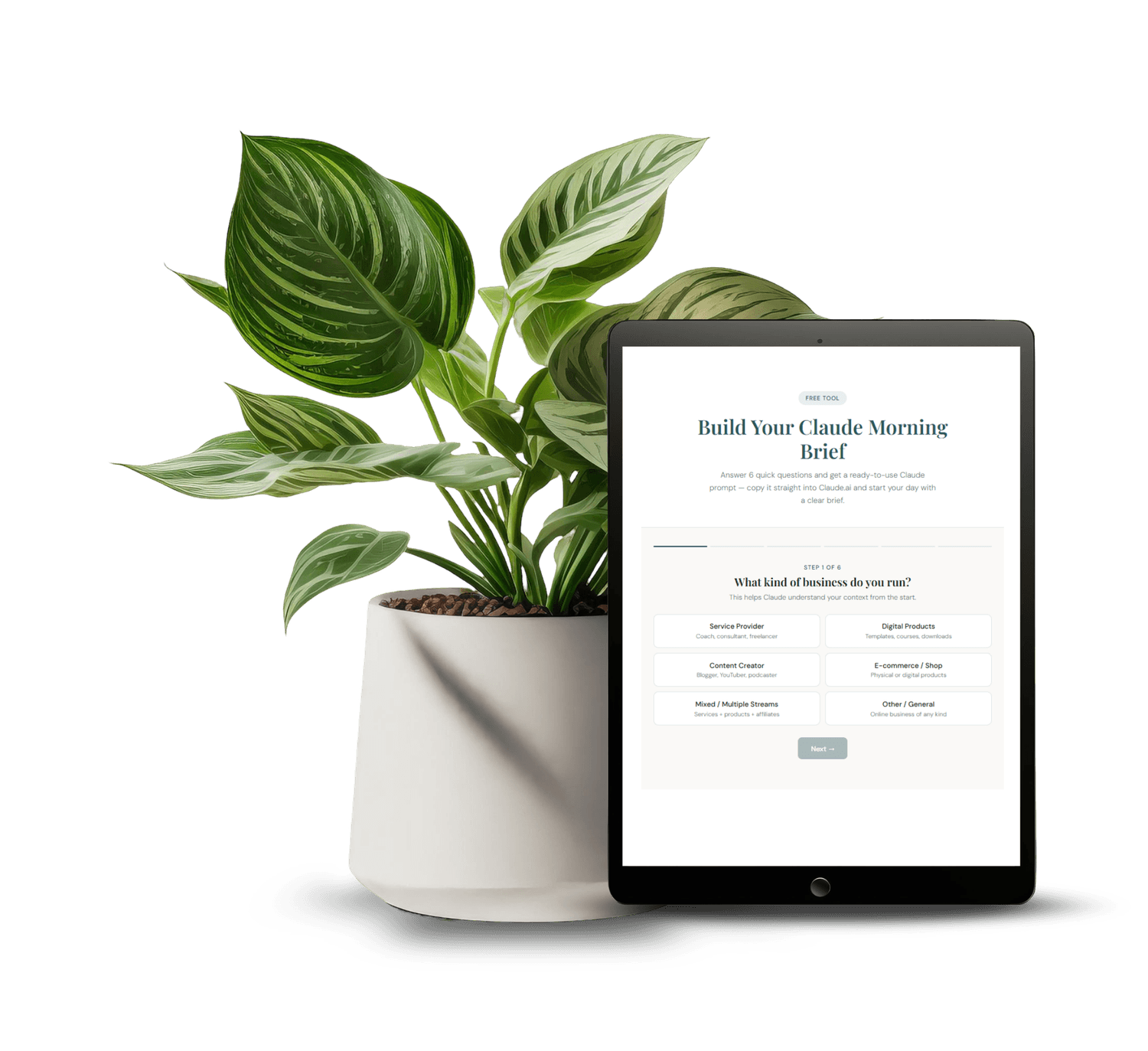
GRAB MY FREE APP
Morning Brief Claude AI Prompt
Set-up your custom morning brief for Claude
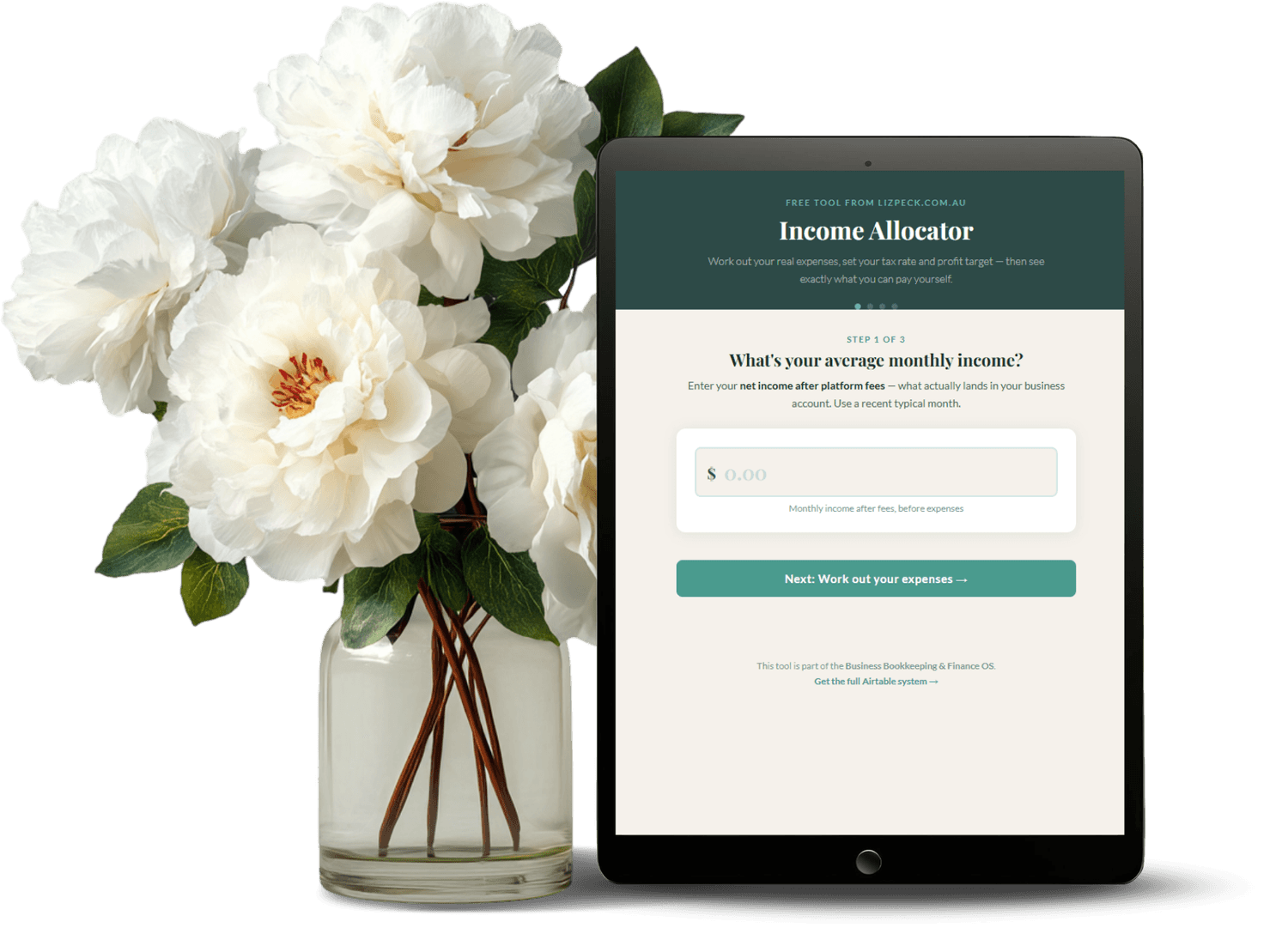
GRAB MY FREE APP
Income Allocator
Work out how to break down your income properly with percentages
A Real CRM for Solo Operators: How to Run Customer Lifecycle in Airtable Without Paying for HubSpot
If you don't need every feature HubSpot ships with, you don't need to pay for it. You can run your entire customer lifecycle in Airtable for the cost of a paid plan, with native automations that send the right email at the right moment.
This is the setup I use. Customers live as the master record. Income, invoices, and helpdesk tickets link back to them. A status field on each customer drives what happens next.
Here's how to build it.
Why Airtable Instead of HubSpot
I like Airtable for this because it's completely customisable to your business and you're not paying for the bits you don't use.
HubSpot is a great tool. It's also overkill for most solo operators. You end up paying for features built for sales teams of 12 when you're a team of one.
Airtable lets you build only what you need, change it when your business changes, and keep everything in one base so there's no syncing between tools. That's the part I love most.
The Customers Table Is the Master Record
Start with one table called Customers. Every person who has ever bought from you gets one record.
Fields: name, email, status, signup date, lifetime value, last activity date, tags. Keep it simple. You can always add more later.
This table is the source of truth. Everything else in your CRM links back to it. If a customer's email changes, you change it here once and every linked record updates.
Link Income and Invoices Back to Customers
Add an Income or Invoices table for every purchase, refund, or recurring payment. Each row is a transaction. Each transaction links to one customer.
Now you can see, on the customer record, every dollar they've ever spent with you. Total lifetime value calculates automatically through a rollup field. You can see who your top customers are without running a report.
This is the kind of visibility that used to require expensive software. In Airtable it's a 15-minute setup. Tracking finances in Airtable covers the bookkeeping side in more detail.
Link Helpdesk Tickets Back to Customers Too
Add a Helpdesk table. Every support email, every refund request, every question. One row per ticket, linked to the customer it came from.
Now when someone emails you, you can see every previous interaction in one place. You can see what they bought, when, and what they've asked before. Context for every conversation, no digging through inboxes.
Setting up a helpdesk in Airtable covers the full setup if you want a step by step.
The Status Field Is the Driver
This is the part that makes it a real CRM instead of just a spreadsheet.
Each customer record has a single select Status field. The status changes as the relationship moves through its natural stages. That status change is what triggers automations.
Here's the starter set I use: New, Active, Engaged, Send customer follow up, Lapsed, VIP, Refunded, Churned, Blocked. Nine statuses that cover almost every situation a small business runs into.
What Each Status Means
New is someone who just signed up or just made their first purchase. Active is buying or engaging within the last 30 days. Engaged is opening emails and clicking but not buying yet.
Send customer follow up is the trigger status. The moment you change a customer to this, an automation sends a personal follow up email. Lapsed is no purchase or activity in 90 days. VIP is your top spenders or warmest fans.
Refunded, Churned, and Blocked are the closing states. Refunded recently asked for their money back. Churned cancelled. Blocked is someone you've decided you won't sell to again. Each one keeps the database clean without losing the record.
Native Automations: Status Change Sends the Email
The whole reason this works as a CRM is Airtable's native automations.
When the status field changes to Send customer follow up, Airtable can automatically send an email through your linked Gmail or send a notification to your inbox to write one. No external automation tool needed for the basics.
You can chain these. New customer changes to Active after a purchase. Active changes to Engaged after a few email opens. Engaged changes to Send customer follow up after 14 days of no purchase. Each transition fires the next action.
For more complex flows, Make sits on top of Airtable and triggers anything Airtable's own automations can't do natively.
The Honest Tradeoffs
Pros: You own your data. You can customise everything. The bill is fixed regardless of how many contacts you have. Everything sits in one base so you're not paying to sync between tools. The CRM grows with the business without surprise upgrades.
Cons: You build it yourself. There's no out of the box template that perfectly fits every business, which means there's a learning curve. If you want a fully featured sales pipeline with multi-stage scoring and forecasting, HubSpot is going to do that better. For most solo operators, you don't need that and Airtable does plenty.
If you're stuck between the two, my take on Airtable vs Notion covers the database side of the decision.
Where the CRM Sits in the Bigger Picture
This setup is system 9 of the 11 systems I run my business on. It's the customer records layer. It links to your sales system, your customer service system, and your finances system.
There's more to it than I've covered here. The tag strategy. The view setup for different daily views. How to wire it to a Daily Three rhythm so you're always reaching out to the right people. The full framework is what I walk through inside The Solo Operator System.
If you're tired of paying for software that does 30 percent of what you need, this is the version of CRM that solo operators actually use.
FAQ
Q: Do I need a paid Airtable plan to do this?
A: The free plan works for the basic setup. You'll want to upgrade once you start using automations heavily, which is around the $20/month plan.
Q: Can I import my existing contacts from HubSpot or Mailchimp?
A: Yes. Export as CSV from your current tool and import into Airtable. Map the fields and you're done in under an hour.
Q: How does this work with my email platform?
A: You can either let Airtable send emails through Gmail or Outlook, or you can have Airtable update your email platform via Make. Both work.
Q: What if I have hundreds of customers already?
A: This scales fine. Airtable handles tens of thousands of records without issue. The view setup is more important than the record count.
Q: Will I lose data if Airtable changes their pricing?
A: Your data is yours. You can export the whole base as a CSV any time. That's part of why I trust it for the long term.
Disclaimer: This website may contain affiliate links. If you click a link and make a purchase, I may receive a small commission at no extra cost to you.
Disclaimer:
This website may contain affiliate links. If you click a link and make a purchase, I may receive a small commission at no extra cost to you.

About Liz Peck
Liz Peck helps online business owners build the backend that runs without them - using Airtable for operations, Systeme for sales, and Claude AI for the work you hate doing twice. lizpeck.com.au

Disclaimer:
This website may contain affiliate links. If you click a link and make a purchase, I may receive a small commission at no extra cost to you.