

GRAB MY FREE TRAINING
The No Leaks Funnel

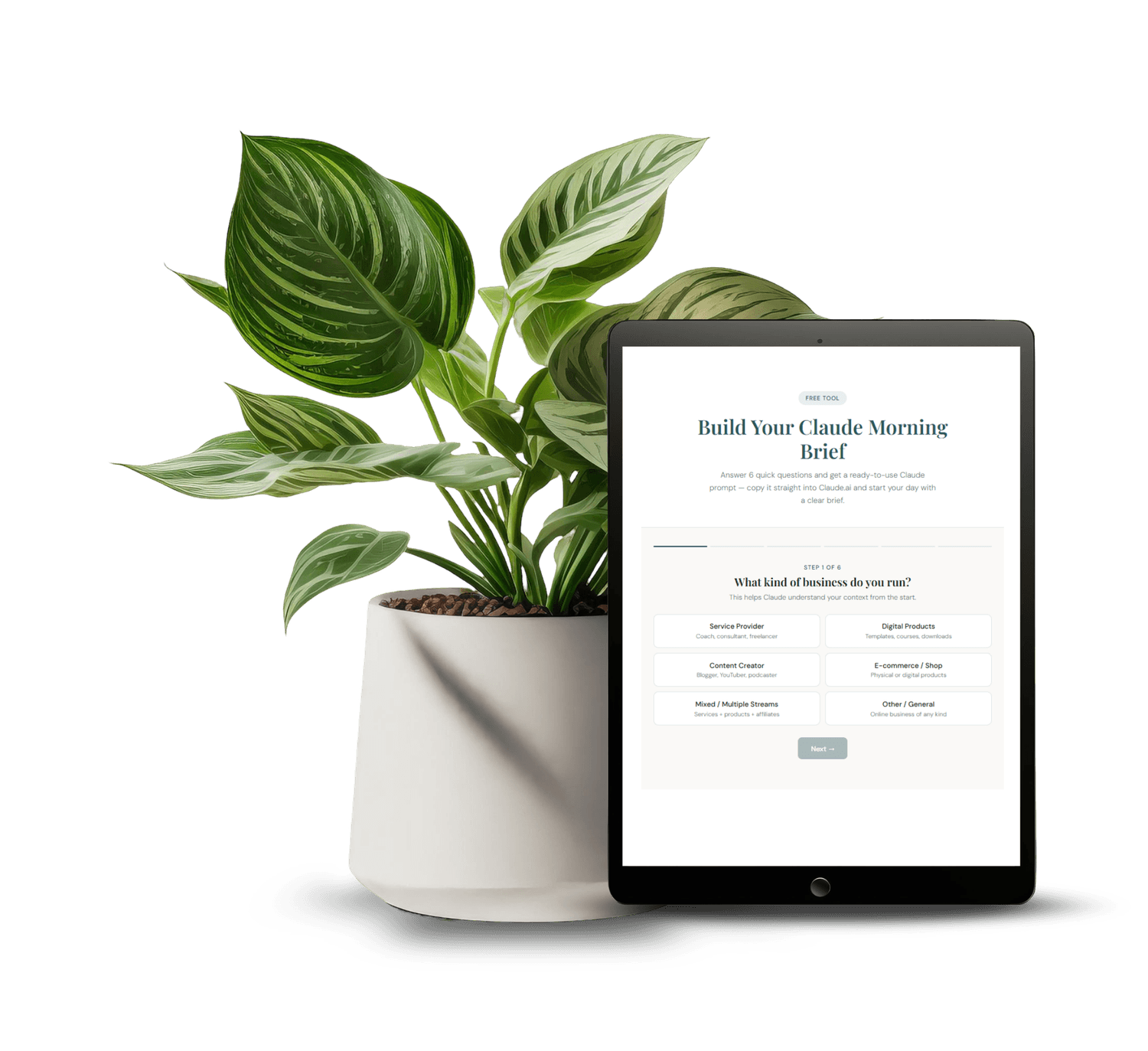
GRAB MY FREE APP
Morning Brief Claude AI Prompt
Set-up your custom morning brief for Claude
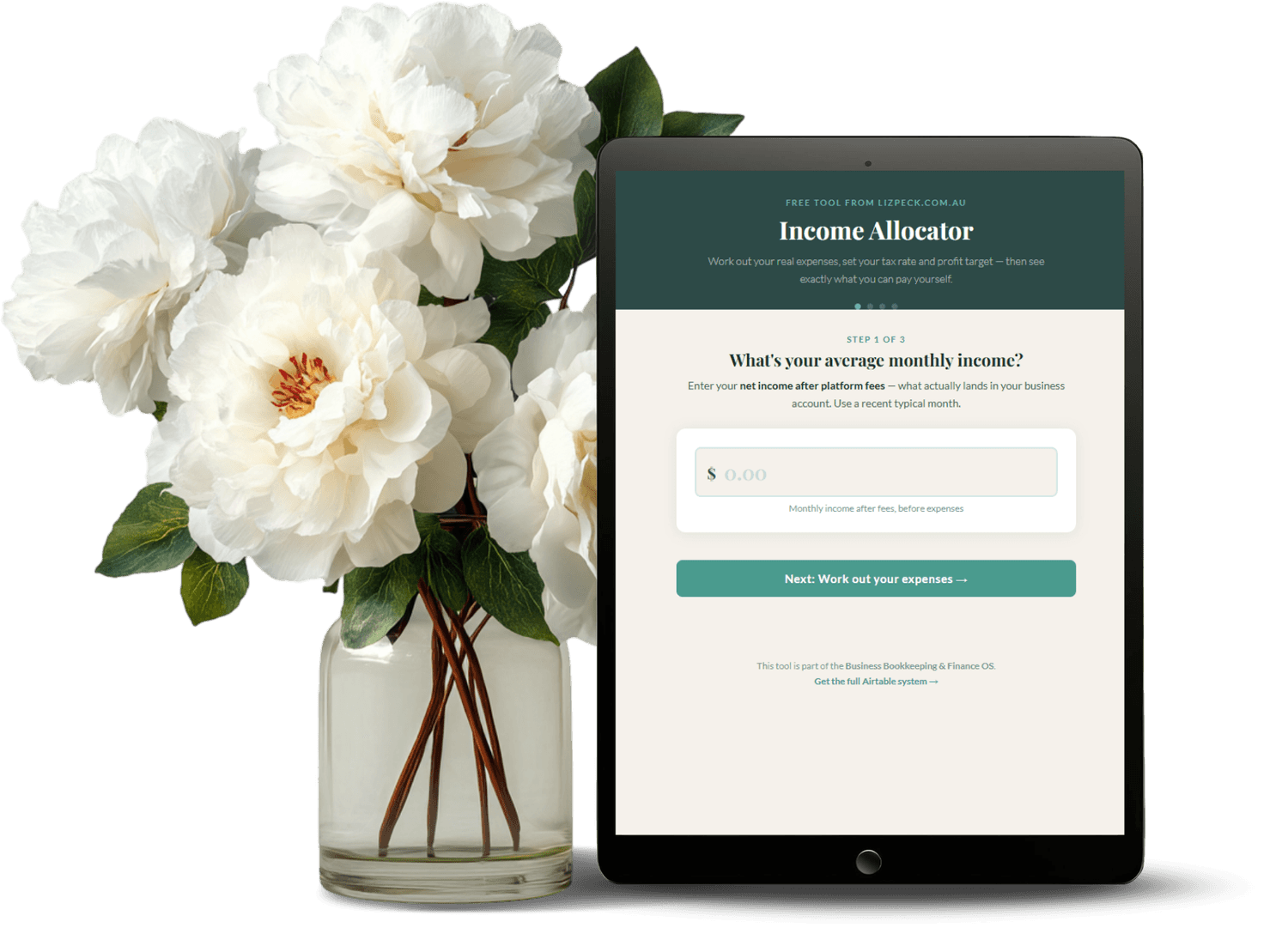
GRAB MY FREE APP
Income Allocator
Work out how to break down your income properly with percentages
How to Build a Content System That Creates Itself Using Airtable and Claude
Most content creators spend more time managing their content than actually creating it. Chasing ideas across notebooks, Google docs, Notion pages, and email threads. By the time you sit down to write, half your energy is already gone just trying to remember what you were going to say.
The system I've built usingAirtable and Claude AI handles most of the heavy lifting. Topics are stored and tracked. Claude writes drafts directly into Airtable fields. Publishing workflows are pre-built. I spend my time reviewing and tweaking, not starting from zero every time.
Here's how it works.
Why Most Content Systems Fail
They fail because they live in too many places. Your ideas are in one app, your drafts in another, your publishing schedule somewhere else. The system requires so much manual stitching together that it's faster to just wing it. And then you get inconsistent.
A real content system has everything in one place, connected. Add an idea, move it through a workflow, publish it. That's the model.
What Airtable Brings to the System
Airtableis the hub. It's where every piece of content lives — from raw idea to published post. You can track status (Idea, In Progress, Ready, Published), assign keywords, link related products, store full draft content in long-text fields, and see your entire content calendar in one view.
The flexibility is what makes it work. Airtable adapts to your content workflow rather than forcing you into someone else's structure.
What Claude Brings to the System
Claude is the writing engine. Connected to Airtable through the Cowork app, Claude can read your content ideas and write full drafts directly into Airtable fields. Blog posts, email subject lines, social captions, FAQ sections - all written to spec and saved without you having to copy-paste anything between tools.
It also pulls from your voice bank, your opinion library, and your affiliate and internal link libraries, so the content that comes out actually sounds like you and includes all the right links.
Building the Content Hub in Airtable
The heart of the system is a table in Airtable called the Content Hub. Each record is a piece of content - a blog post, a Pinterest pin, a YouTube video, or a newsletter. Every record has fields for the topic, the keyword, the content type, the platform, the status, the draft, and the publish date.
When you add a new topic, it lives here. When Claude writes the draft, it goes here. When the post goes live, the status updates here. The whole journey from idea to published lives in one row.
The Weekly Content Workflow
The system runs on a five-day rhythm. On Monday, Claude generates topic ideas based on your content pillars and keyword targets. On Tuesday, it writes the blog post draft. On Wednesday, it writes the emails for the week - a story-based email and a round-up. On Thursday, the blog post is published, email drafts are pushed to Systeme, and the post is submitted to Google Search Console. On Friday, you run the weekly CEO review - pulling numbers, checking what's working, and setting priorities for next week.
Every task connects back to the Content Hub. Every piece of content that gets created updates a status field. At any point, you can open Airtable and see exactly where everything stands.
How Emails and Social Connect to the Same System
The same Airtable base tracks emails and social content. My Tuesday and Thursday email broadcasts are drafted by Claude using the same voice bank and saved as drafts in my email platform through an automated workflow. You can set up similar integrations with Systeme.io regardless of what content system you're building.
Social content is handled similarly. Claude repurposes blog content into short captions or Pinterest descriptions and saves them back to Airtable, ready to schedule.
The Role of the Voice Bank
This is the part most AI content systems miss. Claude doesn't just write from a prompt - it writes from your voice bank. The voice bank is a collection of your phrases, opinions, writing patterns, and examples of content you've written that sounds right. It lives in Airtable and Claude reads it every time before it writes anything.
The result is content that doesn't sound like AI wrote it. It sounds like you wrote it on a day when you were clear, focused, and had plenty of time. That's the standard the system is designed to hit consistently - not just once.
What You Need to Get Started
You need three things: an Airtable account, the Cowork app, and theContent System Starter) to get the base set up correctly.
The Content System Starter includes the Airtable base template, the voice bank structure, the skill files Claude uses to run each task, and a setup guide that walks you through connecting everything. It's designed to get you from zero to a working system in one afternoon - without needing to understand how any of it works under the hood.
How Long Before It Actually Saves You Time?
Most people notice a difference in the first week. The first time Claude writes your Tuesday email from the same Airtable record as your blog post - and it actually sounds like you - you feel it. The first time you open Airtable on a Monday morning and your topics are already there, your week feels different.
The real ROI kicks in around week three or four, when the rhythm is established and you stop thinking about what to create. You just run the system and content comes out the other side. That's when it stops feeling like a tool and starts feeling like a team member.
FAQ
Q: Do I need to know how to use Airtable before I start?
A: No. The Content System Starter includes a pre-built base with everything already set up. You follow the setup guide to connect your accounts and fill in a few key details about your business, and it's ready to run.
Q: Can I use this with any type of online business?
A: It works best for service providers, coaches, and digital product sellers who publish content consistently. It's built around a weekly rhythm of blog post, email, and social - so if that's roughly what your content strategy looks like, the system fits.
Q: What if I want to use a different AI tool instead of Claude?
A: The system is specifically designed for Claude through the Cowork app. Other AI tools can write content, but they can't connect directly to Airtable, read your voice bank, and write back to the same record the way Claude can in Cowork. The integration is what makes it work.
Q: Does Airtable cost money?
A: [Airtablehas a free plan that covers everything you need to run this system. Most users never need to upgrade.
Q: What about Systeme.io - do I need a paid plan?
A: Systeme.io has a generous free plan that includes email broadcasts, funnels, and blog - everything used in this system. A paid plan is only needed if you go over the contact limits or want advanced features.
Disclaimer: Some links on this page are affiliate links. If you click through and make a purchase, I may earn a small commission at no extra cost to you. I only recommend tools I use and trust.
Disclaimer:
This website may contain affiliate links. If you click a link and make a purchase, I may receive a small commission at no extra cost to you.

About Liz Peck
Liz Peck helps online business owners build the backend that runs without them - using Airtable for operations, Systeme for sales, and Claude AI for the work you hate doing twice. lizpeck.com.au
Disclaimer:
This website may contain affiliate links. If you click a link and make a purchase, I may receive a small commission at no extra cost to you.