

GRAB MY FREE TRAINING
The No Leaks Funnel

GRAB MY FREE APP
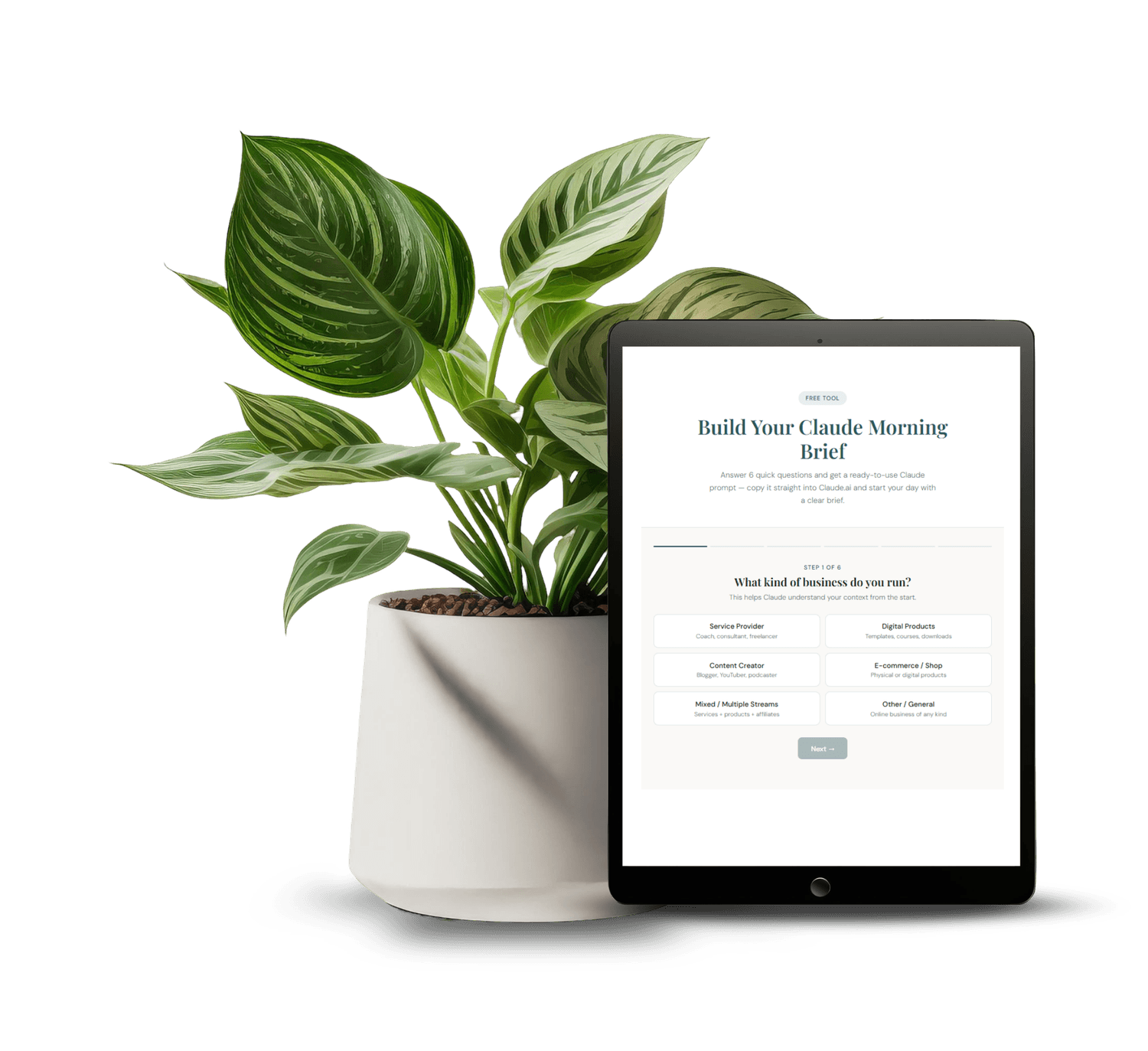
Morning Brief Claude AI Prompt
Set-up your custom morning brief for Claude
GRAB MY FREE APP
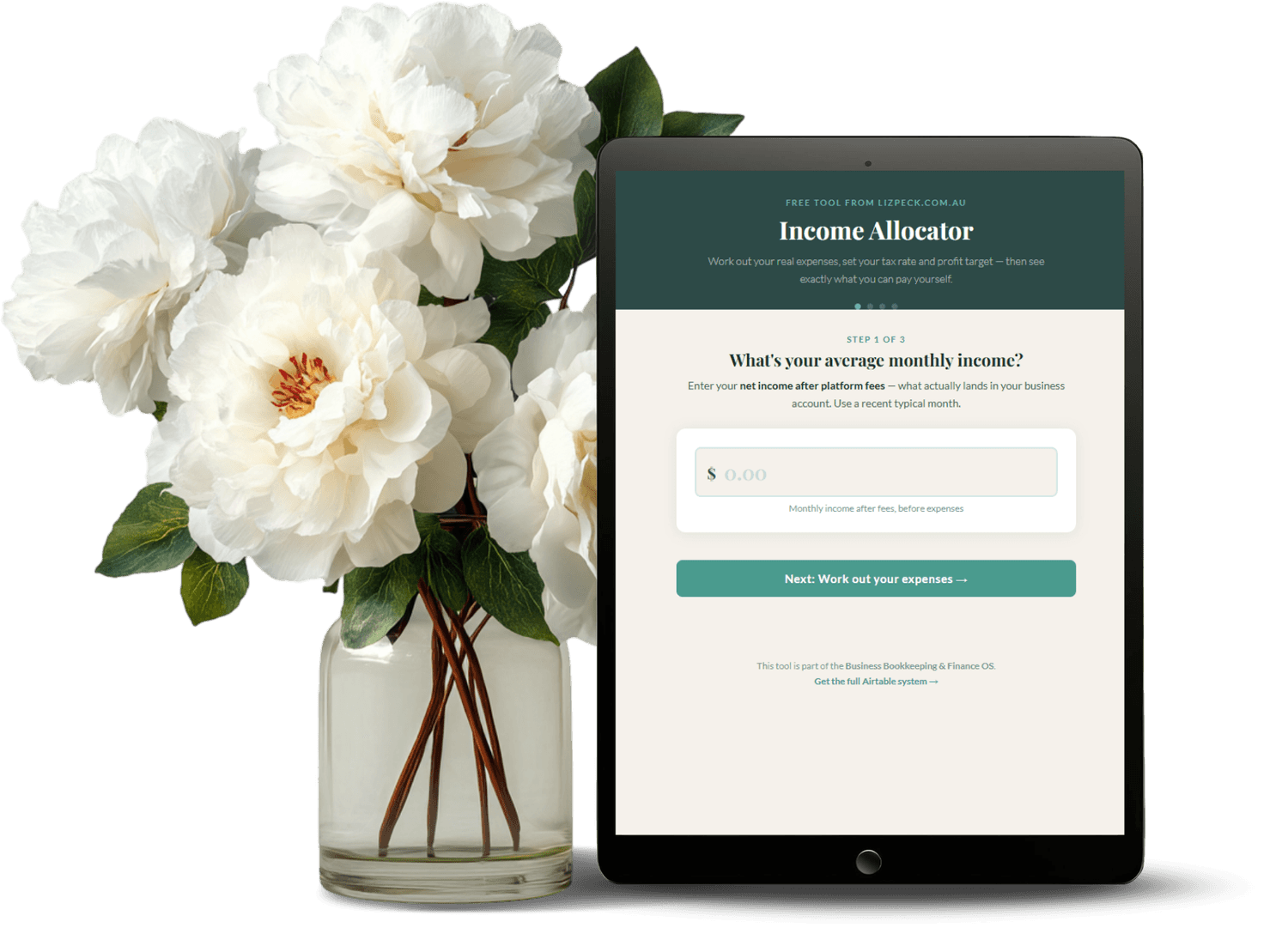
Income Allocator
Work out how to break down your income properly with percentages
Why Most Etsy Automation Attempts Fail (And How to Do It Properly)
Why Most Etsy Automation Attempts Fail (And How to Do It Properly)
Automation sounds appealing.
Who wouldn’t want repetitive admin handled automatically so they can focus on creating more products?
But here’s the truth I’ve seen again and again:
Most Etsy automation attempts fail.
Not because automation doesn’t work – but because people approach it in a way that was never going to work in the first place.
This post is about why that happens, what usually goes wrong, and what responsible automation actually looks like when you want something that works long term.
The most common mistake: trying to automate everything at once
The biggest issue I see is this:
People try to build massive automations when they’ve never built one before.
They don’t stop to think about:
Product creation
Listing creation
File generation
Publishing to Etsy
All in one giant automation.
That almost never works.
Why “one big automation” is the wrong approach
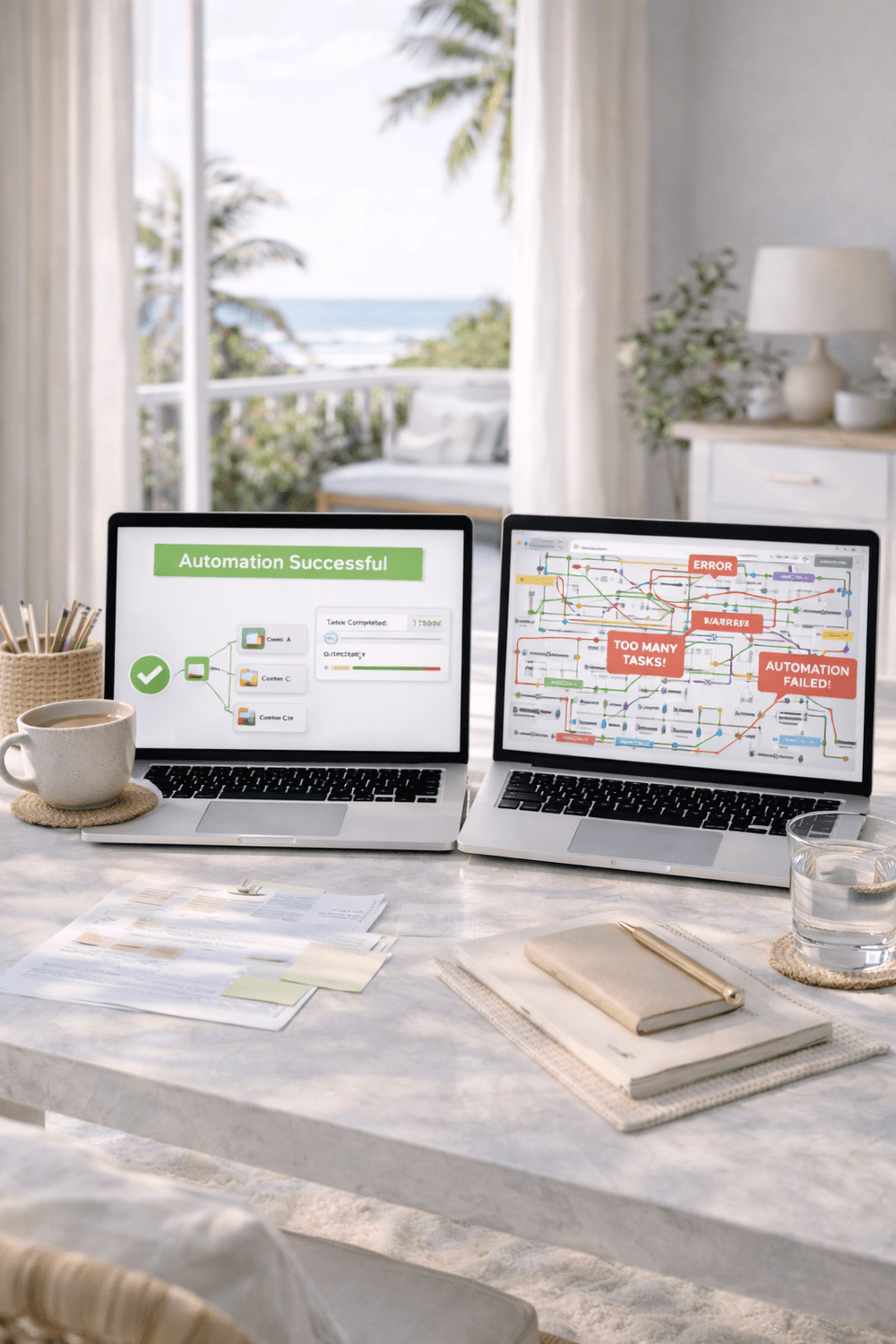
Automation works best when it’s broken into clear, logical stages.
But most people don’t do that.
They want:
One automation
That completes 10 steps
With multiple decisions
And lots of branching logic
What actually works is:
One automation that completes step one from start to finish
Another automation that completes step two from start to finish
Each automation has:
One clear trigger
One clear outcome
Trying to do everything at once makes it fragile, confusing, and extremely hard to debug when something breaks.
And something will break.
Where people usually get stuck (and give up)
I see the same failure points over and over again.
1. No clear process before automation
Automation can’t fix a messy process.
If you don’t clearly understand:
The steps involved
The order they need to happen in
What triggers what
…then automating it will only amplify the mess.
Responsible automation starts with understanding the process deeply.
2. Not understanding core automation concepts
Most people hit a wall when they encounter things like:
Iterators
Aggregators
Paths
And to be fair – these concepts are not intuitive.
For example:
People don’t realise that a path is one direction and doesn’t reconnect to the rest of the automation
They don’t understand how iterators loop through data
They don’t know why aggregators are needed to pull things back together
Without step-by-step guidance, this is where people break things or abandon the build entirely.
3. Expecting plug-and-play magic
A huge misconception is that automations should:
Install themselves
Configure themselves
Work perfectly straight away
That’s not how real automations work.
Automation isn’t a pretty, neat box you open and everything just runs.
It requires:
Setup
Focus
Testing
Adjustment
If someone expects automation to “just work” without effort, they’ll always be disappointed.
The reality of building automations (that no one shows)
Most automation tutorials online are highlight reels.
They show:
A finished automation
A clean, working system
A smooth walkthrough
What they don’t show:
The weeks of trial and error
The broken runs
The frustration
The moments where you’re ready to throw your laptop out the window
Often, the person teaching has already figured everything out beforehand. They’re recreating something they already understand.
That makes it look easy.
In reality, building automations from scratch is challenging – especially if you’re also trying to run a business at the same time.
If you’ve tried and failed before, I want you to know this:
That doesn’t mean you’re bad at tech.
It means you were doing something genuinely hard without enough structure or guidance.
I’ve been there too.

The software reality check most people miss
Another major stumbling block is software compatibility.
Before you automate anything, you need to check:
Does the automation tool connect to the software I use?
Does it have the permissions I actually need?
Can it perform the specific actions required?
Sometimes tools:
Appear in the automation platform
But don’t allow the exact task you want
And sometimes the only way forward is:
An API call
Which, understandably, makes a lot of people’s eyes glaze over.
API calls involve computer language, not human language. They’re powerful – but intimidating if you haven’t worked with them before.
This is often where people give up.
Why mindset matters more than tools
Responsible automation requires a mindset shift.
It’s not about:
Saving time instantl
Skipping learning
Avoiding effort
It is about
Understanding the process you want to automate
Breaking it into logical sections
Being willing to set it up properly once
Before setting up any automation, you should:
Block out uninterrupted, focused time
Be calm, not rushed
Follow instructions carefully
Expect to test and tweak
Automation built in a rushed, distracted state almost always fails.
What “doing it properly” actually looks like
Doing automation properly means:
Knowing your process inside out
Breaking it into clear stages
Using separate automations where needed
Following step-by-step instructions
Understanding what triggers what
It’s structured, not chaotic.
And once it’s set up properly, it’s incredibly powerful.
Why people try to recreate automations (and why it fails)
I often see sellers try to:
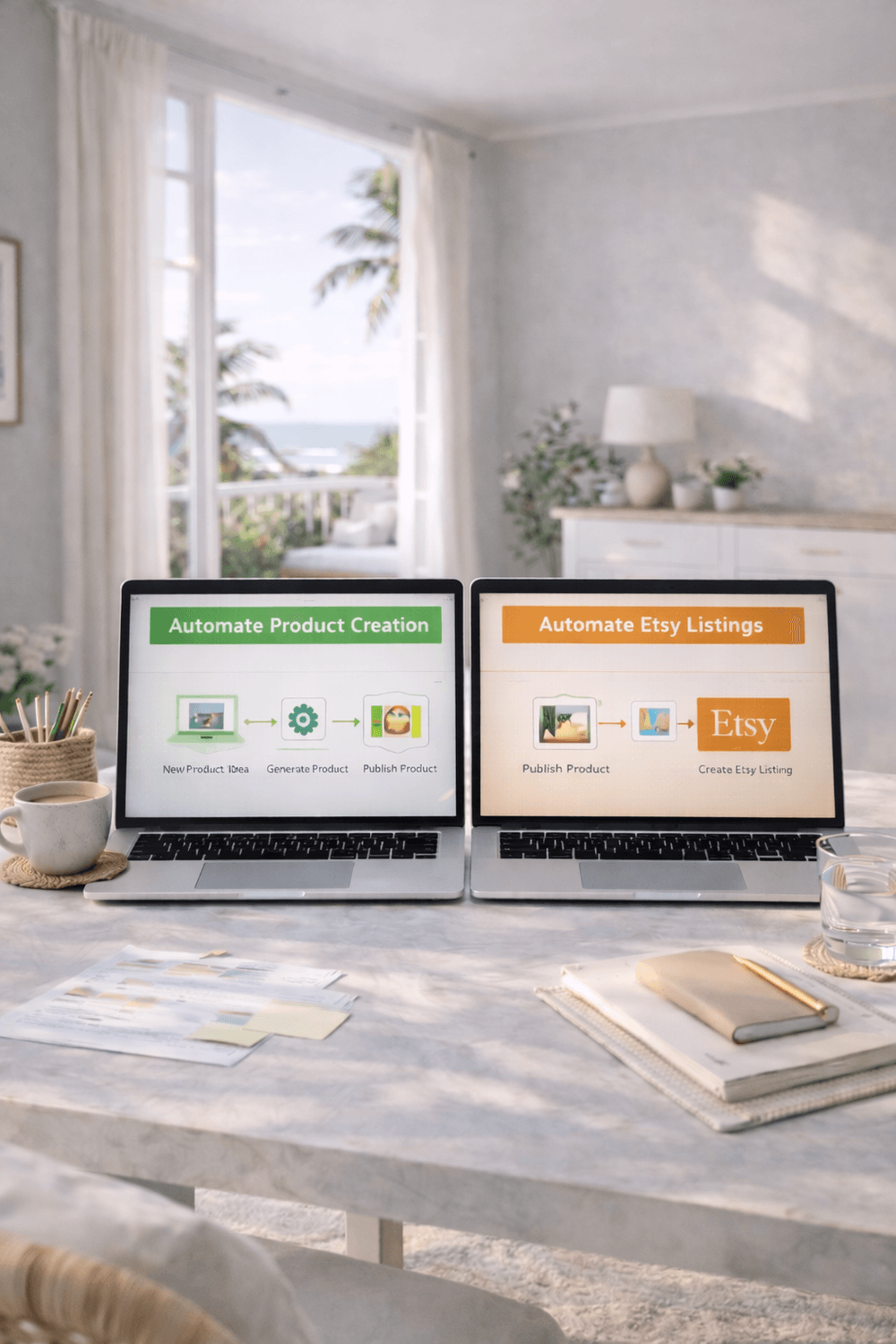
Automate product creation
Automate Etsy listings
Recreate existing automations they’ve seen
Without fully understanding how those systems were designed.
They’re not failing because automation doesn’t work.
They’re failing because:
They’re rebuilding something complex without a blueprint
They’re missing context
They’re trying to shortcut the learning curve
This is why done-for-you systems exist in the first place.
Who automation actually works best for
Automation works best for sellers who:
Are in it for the long haul
Want a sustainable business
Don’t want to hire staff
Are willing to follow instructions
Understand that setup comes before ease
It’s especially suited to:
Established Etsy stores
Sellers with multiple stores
Creators who want to focus on making, not admin
Beginners can use automation, but only if they’re tech-savvy and comfortable learning multiple things at once.
Otherwise, it’s often better introduced once the basics are in place.
Why automation isn’t about shortcuts
Automation doesn’t remove responsibility.
It removes repetition.
You still:
Create the products
Make design decisions
Review outputs
But you don’t have to:
Manually repeat admin tasks
Rely on memory
Drain your energy on boring steps
That’s the difference.
Most Etsy automation attempts fail because people expect automation to be something it isn’t.
It’s not plug-and-play magic.
It’s not a shortcut.
It’s not effortless.
But when done properly, it’s one of the most powerful tools you can add to your business.
If you’ve tried and failed before, thats ok.
You were just missing structure.
Responsible automation is about:
Systems
Patience
Sustainability
And when it’s built properly, it frees you to focus on the work that actually matters.
After building and refining my own automations through weeks of trial and error, I created Digital Product Etsy Shop Automated.
It’s a step-by-step backend system designed specifically for digital product sellers who want reliable automation without having to design everything from scratch.
It exists because I needed it first – and because I know how frustrating it is to try and piece this together alone.
Disclaimer:
This website may contain affiliate links. If you click a link and make a purchase, I may receive a small commission at no extra cost to you.

About Liz Peck
Liz Peck helps online business owners build the backend that runs without them - using Airtable for operations, Systeme for sales, and Claude AI for the work you hate doing twice. lizpeck.com.au
Disclaimer:
This website may contain affiliate links. If you click a link and make a purchase, I may receive a small commission at no extra cost to you.