
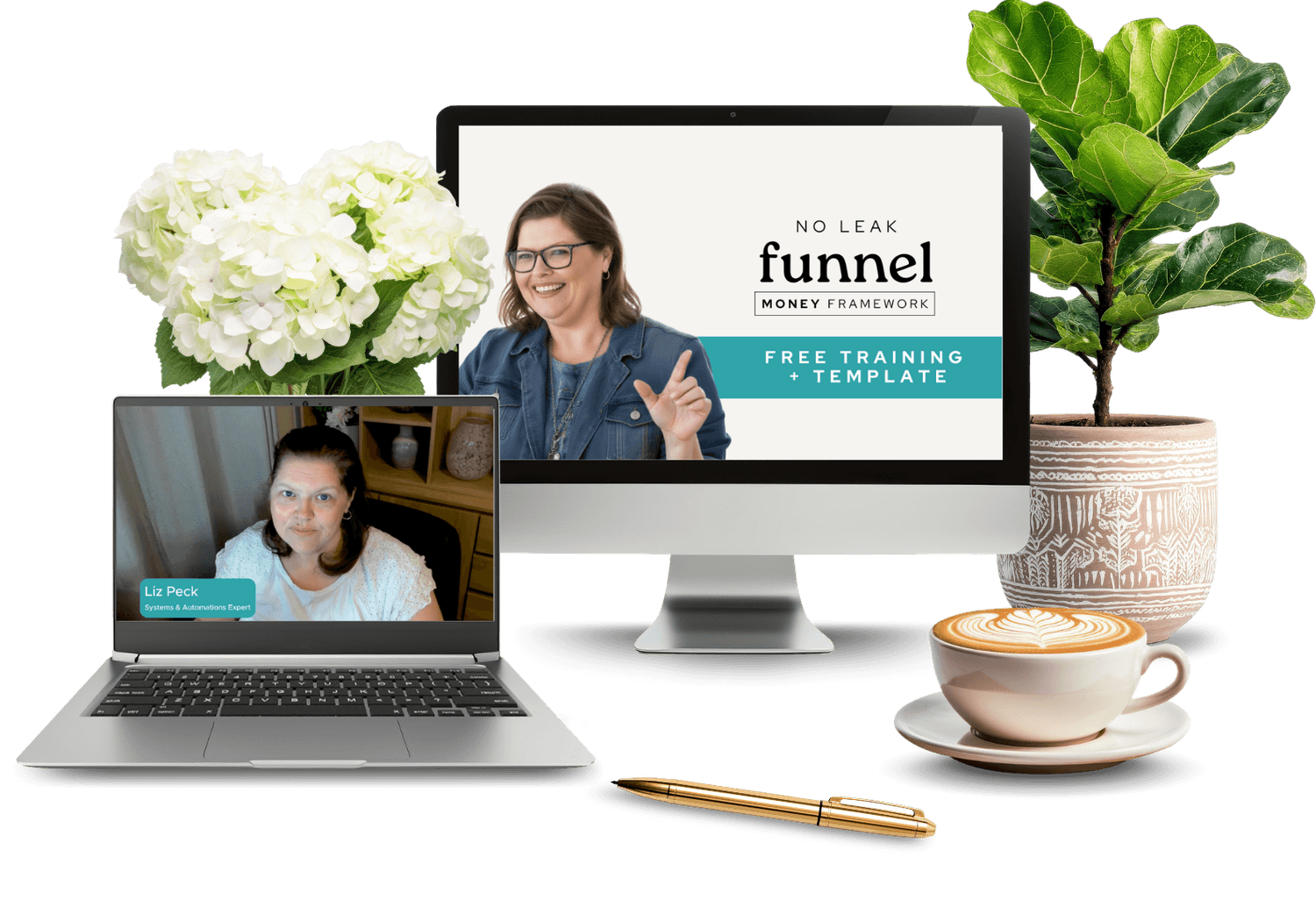
GRAB MY FREE TRAINING
The No Leaks Funnel
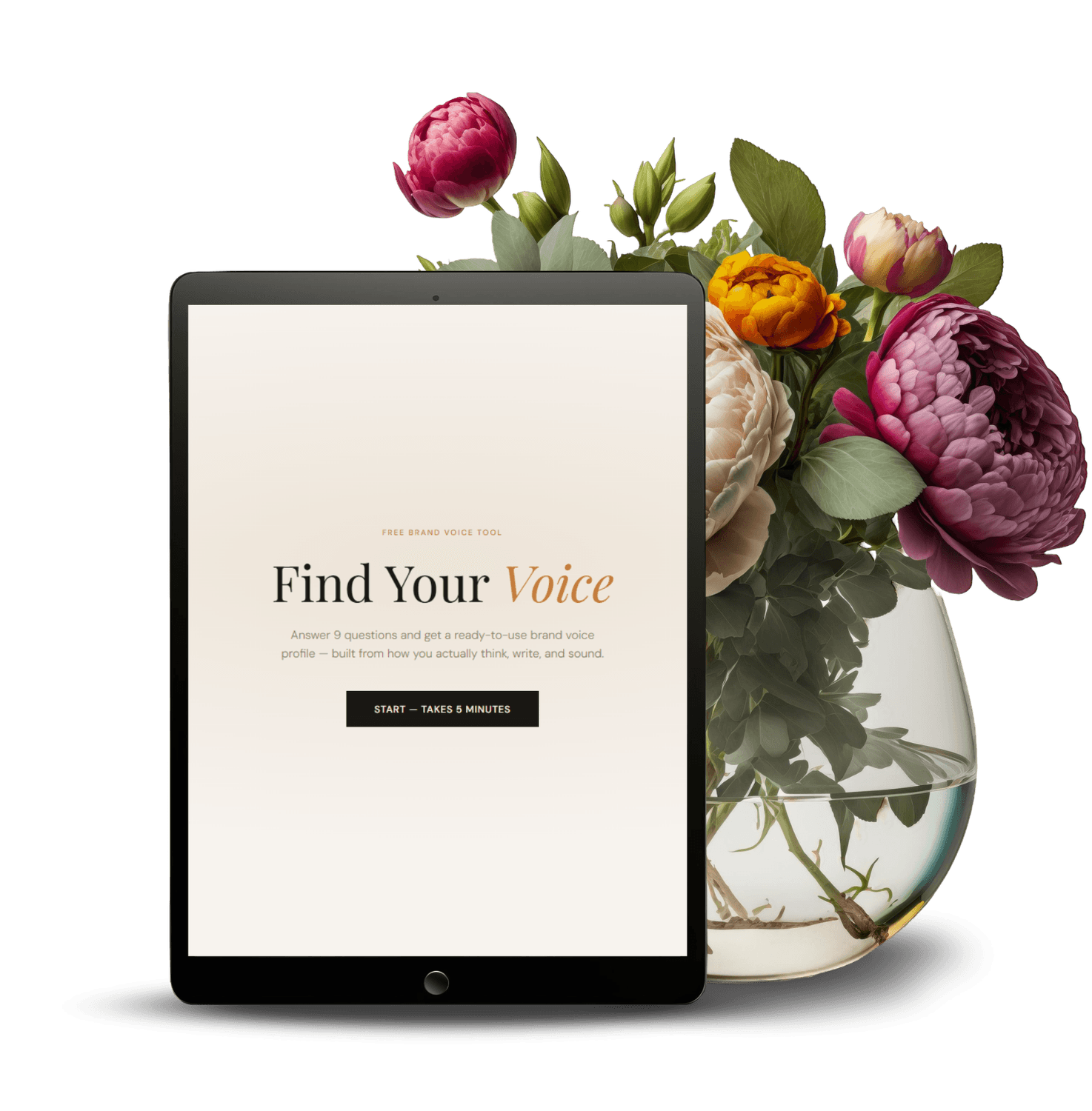
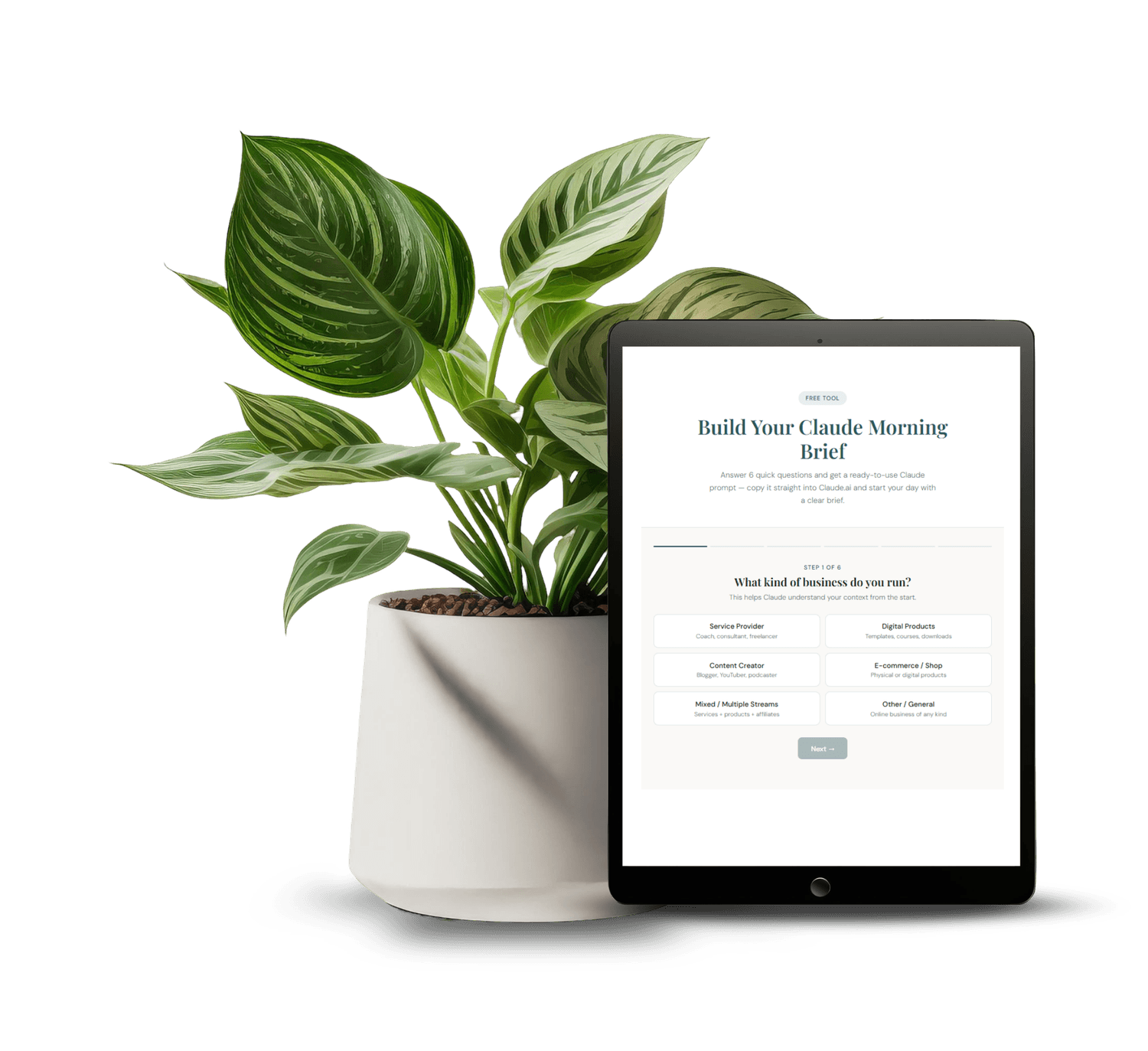
GRAB MY FREE APP
Morning Brief Claude AI Prompt
Set-up your custom morning brief for Claude
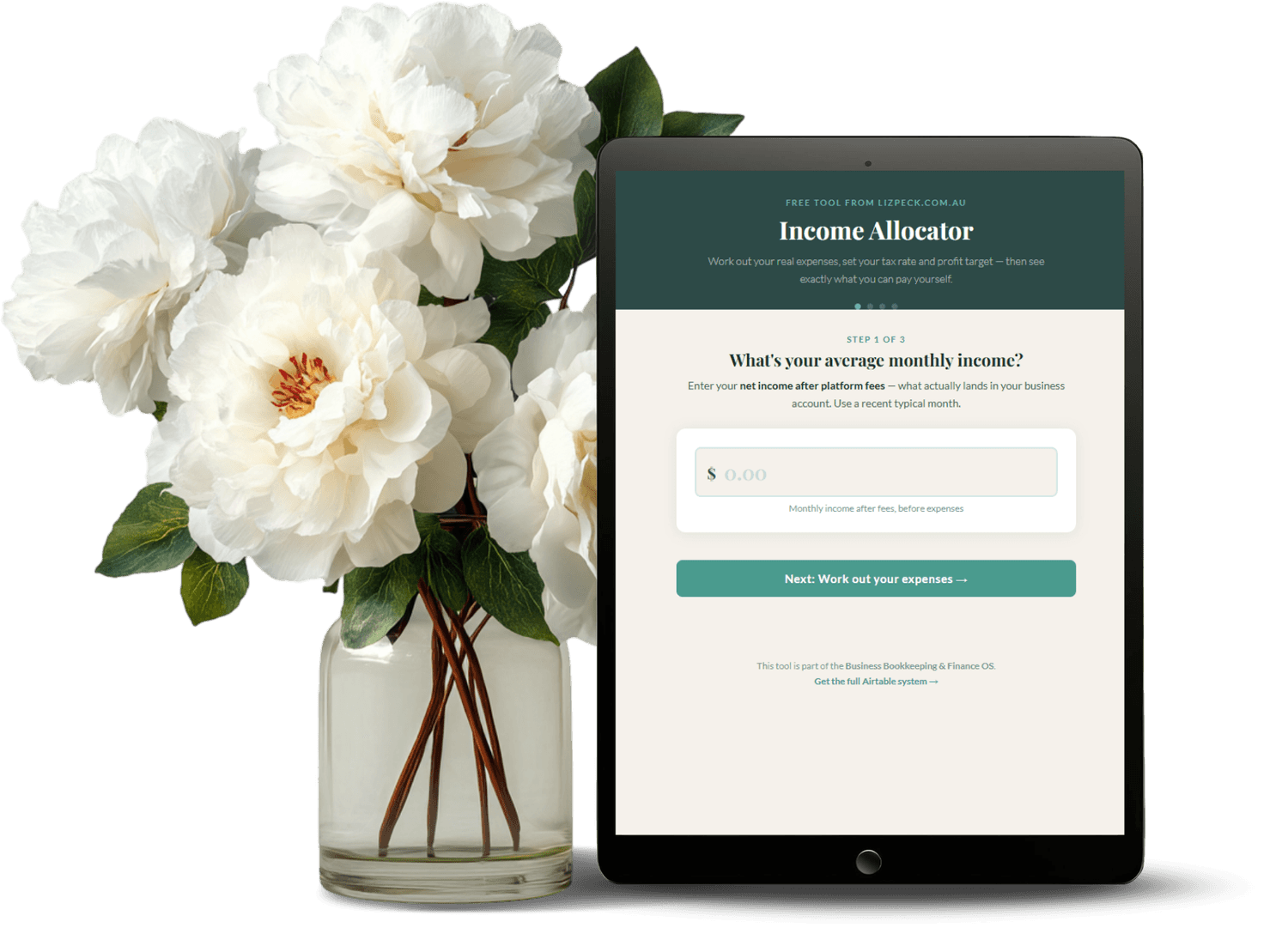
GRAB MY FREE APP
Income Allocator
Work out how to break down your income properly with percentages
Why Most Business Systems Fail (and How to Build Ones You'll Actually Use)
Most systems look good on paper but never get used
I’ve seen a lot of business owners get excited about a new system. They map out every step, color-code the whole thing, and feel like they’ve finally cracked it. Then a few weeks go by and the system is gathering dust. The sticky notes are curling at the edges. The fancy project management tool is full of half-finished tasks. It’s not that they don’t care. It’s just that the system never really fit the way they work.
The process has to feel like your normal day
I’ve noticed that if a system feels like a big leap from how you naturally do things, it just doesn’t stick. You can force yourself for a while, but eventually you drift back to what’s comfortable. I’ve tried to overhaul my own workflows before. It always sounds good in theory. But if it doesn’t match the way my brain wants to move through a task, I end up ignoring it.
Documenting what you already do is underrated
The easiest way I’ve found to build a system is to start by writing down what I actually do. Not what I wish I did, or what some productivity book says I should do. Just the real steps, in the order I do them, even if it’s messy. Once it’s on paper, I can see where things get stuck or where I’m repeating myself. Then I make one small change. Nothing dramatic. Just a tweak. If it works, I keep it. If it doesn’t, I try something else.
Flexible systems get used more
I’ve watched people build these rigid workflows that look impressive but feel like a chore. They end up resenting the whole thing. The more flexible the system, the more likely I am to actually use it. If I can skip a step or move things around without breaking everything, I’m much more consistent. It’s not about being perfect. It’s about having something that fits into real life, not just an ideal version of it.
Sustainability beats intensity every time
There’s a pattern I keep seeing. People go all in on a new system, work at it intensely for a week or two, and then burn out. The systems that last are the ones that feel almost boring. They don’t require a ton of energy to maintain. They just fit into the background. I’d rather have a simple checklist I use every day than a complicated workflow I abandon after a month.
Most of the time, you just need something that works
I’ve spent hours trying to design the perfect invoice template or the ideal lead magnet. It’s easy to get stuck tweaking things that don’t really matter. Most of the time, I just need something functional. It doesn’t have to be beautiful or unique. It just has to do the job so I can move on.
Templates save a lot of time and frustration
I used to think I had to build everything from scratch. Now I just want something that works out of the box. I’ve seen a lot of new business owners waste days trying to design a website or set up a flyer. It’s not the best use of time. Having a set of templates ready to go makes it easier to focus on the actual work.
The Online Business Starter Stack is one of those things that just exists if you need it
The Online Business Starter Stack is a bundle of templates for things like websites, invoices, flyers, and lead magnets. Nothing fancy. Just the basics, done for you. I’ve seen it help people get set up faster so they can get back to running their business.
I keep coming back to the same idea
If a system feels like a natural extension of how you already work, you’ll actually use it. If it feels like a big shift, it probably won’t last. The simplest systems are usually the ones that stick.
Disclaimer:
This website may contain affiliate links. If you click a link and make a purchase, I may receive a small commission at no extra cost to you.

About Liz Peck
Liz Peck helps online business owners build the backend that runs without them - using Airtable for operations, Systeme for sales, and Claude AI for the work you hate doing twice. lizpeck.com.au
Disclaimer:
This website may contain affiliate links. If you click a link and make a purchase, I may receive a small commission at no extra cost to you.