

GRAB MY FREE TRAINING
The No Leaks Funnel


GRAB MY FREE APP
Morning Brief Claude AI Prompt
Set-up your custom morning brief for Claude
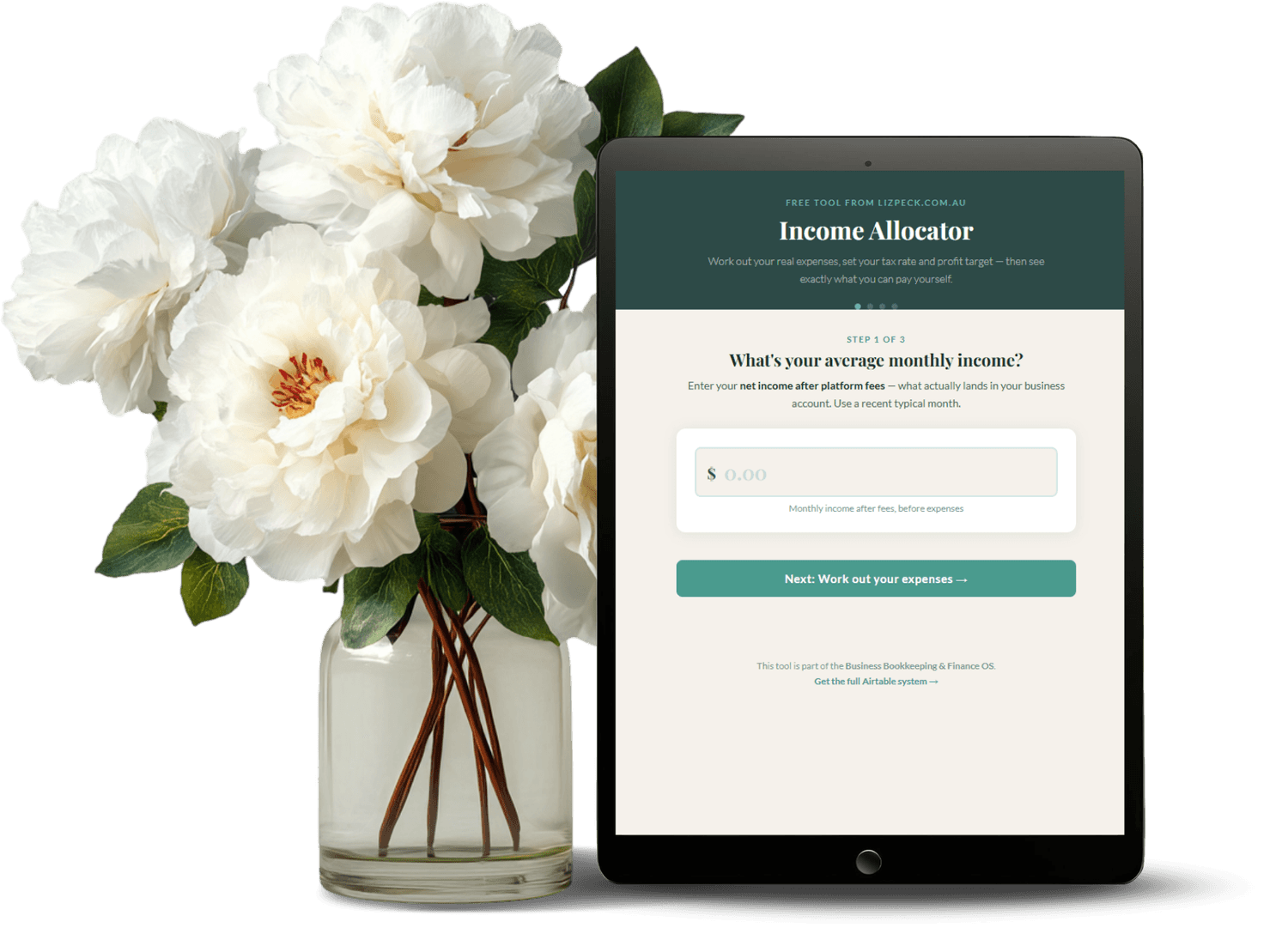
GRAB MY FREE APP
Income Allocator
Work out how to break down your income properly with percentages
How to Handle Refunds Professionally as a Solo Digital Product Seller (Without the Stress)
The first refund request hits different. Your stomach drops a bit. Someone spent money on your product and wants it back. Your brain immediately goes to: did I let them down? Is my product bad? But here's what I learned: almost none of it is about you. People ask for refunds for a hundred reasons that have nothing to do with whether your product is actually good. Buyer's remorse. Overextended themselves financially. Got excited in the moment and didn't actually need what they bought. Fear of missing out took over their judgment. None of those things mean your product failed.
The sooner you separate your feelings from the transaction, the easier this gets. A refund isn't a personal rejection. It's someone changing their mind. And if you have a clear refund policy, you can handle it professionally and actually keep some of that person as a potential customer down the line. I've had people refund, later realize they wanted the product, and buy again. That only works if you treated the whole thing with respect.
Your Refund Policy Needs to Be Crystal Clear Before You Sell Anything
Write out your refund policy before you ever take a payment. Include: how long people have to request a refund, whether you offer full refunds or partial refunds, what happens if they've already downloaded or used the product, and who they contact. Make it visible on your sales page and in the confirmation email. No surprises, no interpretation needed. People respect clarity. When they know exactly what they're getting into, you'll actually get fewer frivolous refund requests because they've seen the terms.
Set a Timeline and Stick to It Every Single Time
Most people offer 30 days. Some do 14. Some do 7. Pick one and don't move it. If your policy says 30 days and someone asks for a refund on day 35, you say no. Not mean, but firm. This isn't about being harsh. It's about having boundaries that protect your business. The moment you start making exceptions, you've opened a door that never closes. Consistency is actually what builds respect, not exceptions. People will test your boundaries. Hold them.
When Someone Requests a Refund, Don't Defend Your Product
A surprising number of people try to convince someone not to refund. They explain how the product works, offer extra resources, or make the customer feel like they're missing something. Don't do this. If someone wants a refund, they want a refund. Trying to talk them out of it is uncomfortable for everyone and rarely works. It also makes you look desperate, which damages your brand more than the refund ever would. Process it gracefully and move on.
Process Refunds Quickly and Professionally
When someone asks for a refund within your policy window, issue it right away. Don't make them wait a week. Don't ask for reasons. Don't make it an ordeal. A fast, professional refund leaves the person with a good impression of you even if they didn't love the product. They might still recommend you. They might come back. Drag it out or make it difficult, and they'll tell everyone they know. Speed here is a brand move, not just a process step.
The Refund Request You Need to Take Seriously
Most refund requests are low-stakes. But occasionally someone has a legitimate complaint about the product itself. Maybe something didn't work. Maybe the content was misleading. Maybe the delivery failed. These are worth taking seriously because they're signals. If the same issue comes up more than once, it's a product problem, not a customer problem. Use these as feedback, not just as transactions to process. Thank the person, fix the issue, and move on.
Keep Refund Records in a System You Can Actually Use
Don't let refund requests disappear into your email. Track them in Airtable or a simple spreadsheet. Note the date, product, reason if given, and outcome. This data is useful. It shows you patterns, helps you spot problem products, and gives you something to look back on when you're wondering whether refunds are increasing. You don't need a complex system. You just need one place where all of this lives. If you want a simple setup, the Liz Business OS already has a refund tracker built in.
Don't Offer Extra Compensation to Keep Them
Some people try to sweeten refund requests with bonus products, extended access, or discounts on future purchases. This feels generous but it almost never works, and it sets a bad precedent. If you give a bonus to one refund requester, you're essentially rewarding people for asking for refunds. If the person genuinely doesn't want your product, a bonus isn't going to change that. Say thank you, process the refund, and move on.
You're Going to Get Refund Requests. It's Not Personal
Every product, no matter how good, will get refund requests. This is not a sign that your product is bad. It's not a sign that you did something wrong. Some people buy impulsively and regret it. Some people change their mind. Some people have financial pressure. None of that is about you or your product. The goal isn't to have zero refunds. The goal is to handle them well when they happen, which they will.
The One Refund Type You Should Actually Worry About
If someone bought your product, got what they needed in three days, and then requested a refund claiming it didn't work — that's a different situation. It's rare, but it happens. This is someone trying to use the product for free. You are allowed to say no. Look at their access history if your platform tracks it. If they clearly used the material, your policy doesn't obligate you to refund. You can decline politely and firmly. Document it and move on. Most people are not doing this, but when they are, you don't have to reward it.
FAQ
Do I have to offer refunds on digital products?
In most countries, you are not legally required to offer refunds on digital products, especially once they have been downloaded or accessed. However, it is good business practice to have a clear policy. Offering a reasonable refund window builds buyer confidence and reduces chargebacks.
What should my refund policy say?
At minimum, your policy should include: the refund window (e.g. 30 days from purchase), what qualifies for a refund, how customers request one, and who to contact. Keep it simple and visible.
How do I handle a refund request professionally?
Respond promptly, process the refund without argument, and keep the interaction brief and kind. You do not need to explain yourself or offer extras. A simple acknowledgment and quick processing is all that is needed.
What if someone claims the product didn't work but clearly accessed it?
You are within your rights to decline if you have evidence the product was accessed and used. Politely explain your policy, note what you observed, and decline the refund if it falls outside your terms. Document the interaction.
Should I track refunds somewhere?
Yes. Keep a simple log with the date, product, reason given, and outcome. This helps you spot patterns, monitor refund rates, and make better product decisions over time.
Disclaimer: This post contains general information only and does not constitute legal or financial advice. Refund policies may be subject to consumer protection laws in your country or region. Always check the laws applicable to your business location.
Disclaimer:
This website may contain affiliate links. If you click a link and make a purchase, I may receive a small commission at no extra cost to you.

About Liz Peck
Liz Peck helps online business owners build the backend that runs without them - using Airtable for operations, Systeme for sales, and Claude AI for the work you hate doing twice. lizpeck.com.au
Disclaimer:
This website may contain affiliate links. If you click a link and make a purchase, I may receive a small commission at no extra cost to you.