
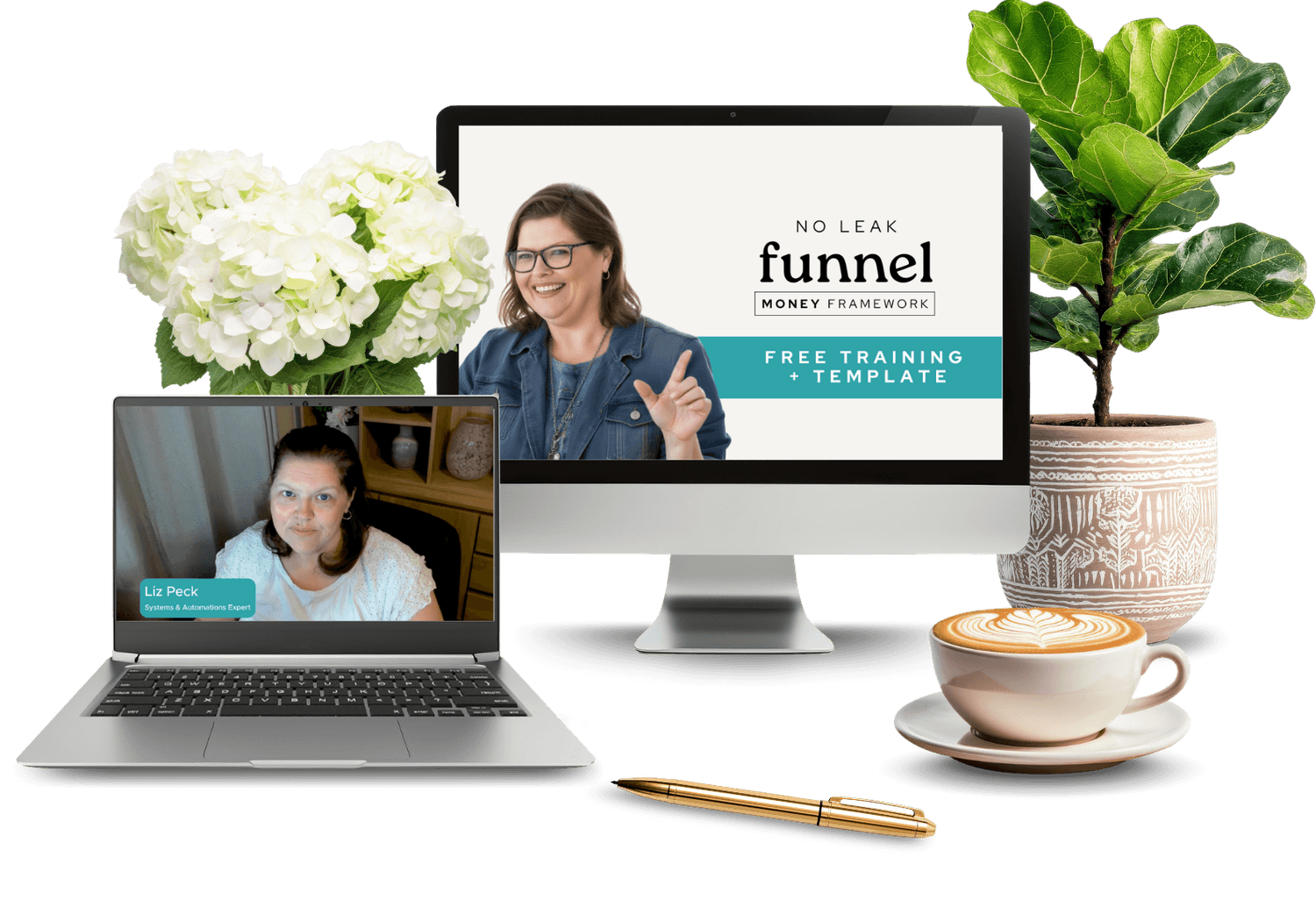
GRAB MY FREE TRAINING
The No Leaks Funnel
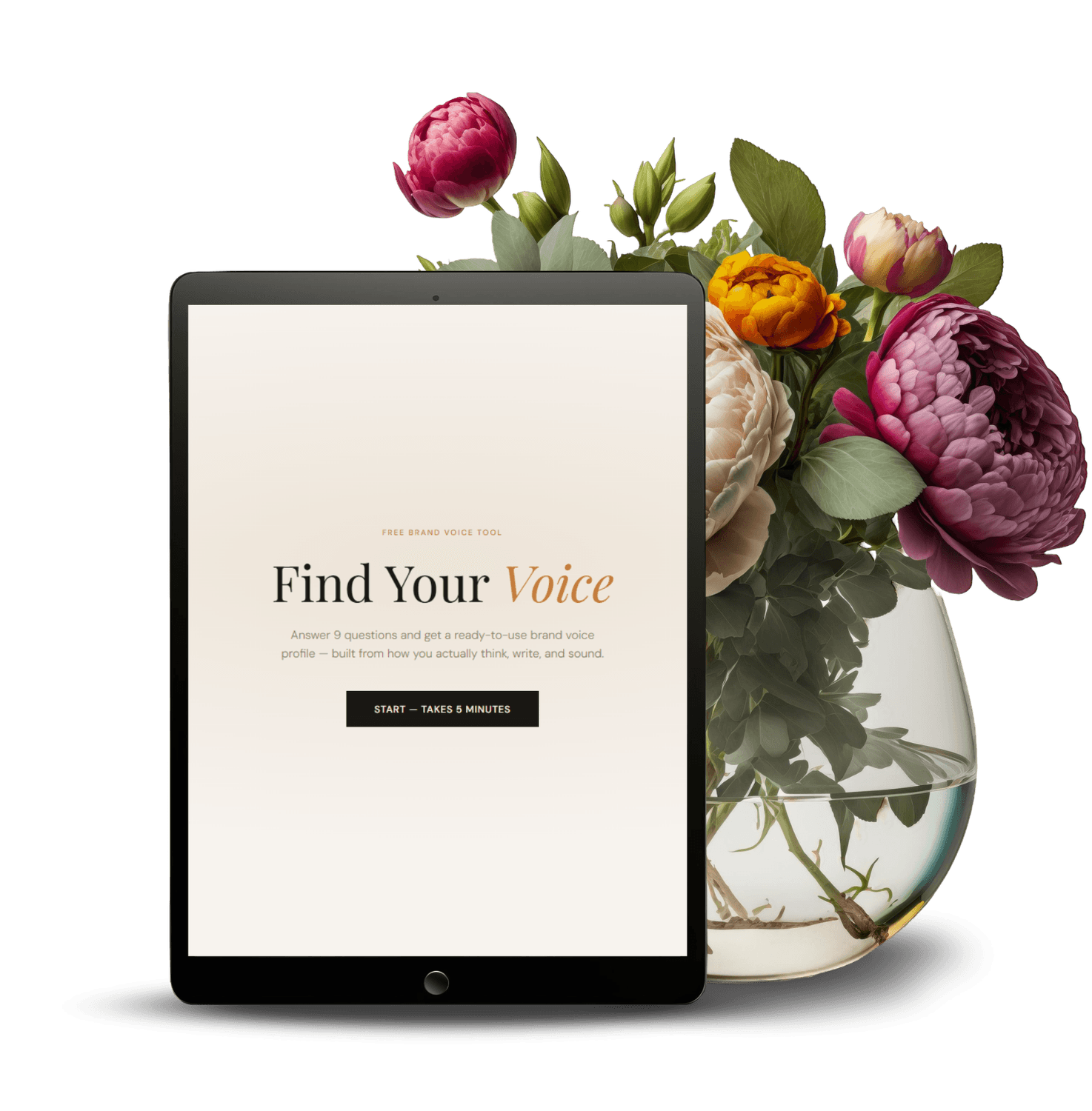
GRAB MY FREE APP
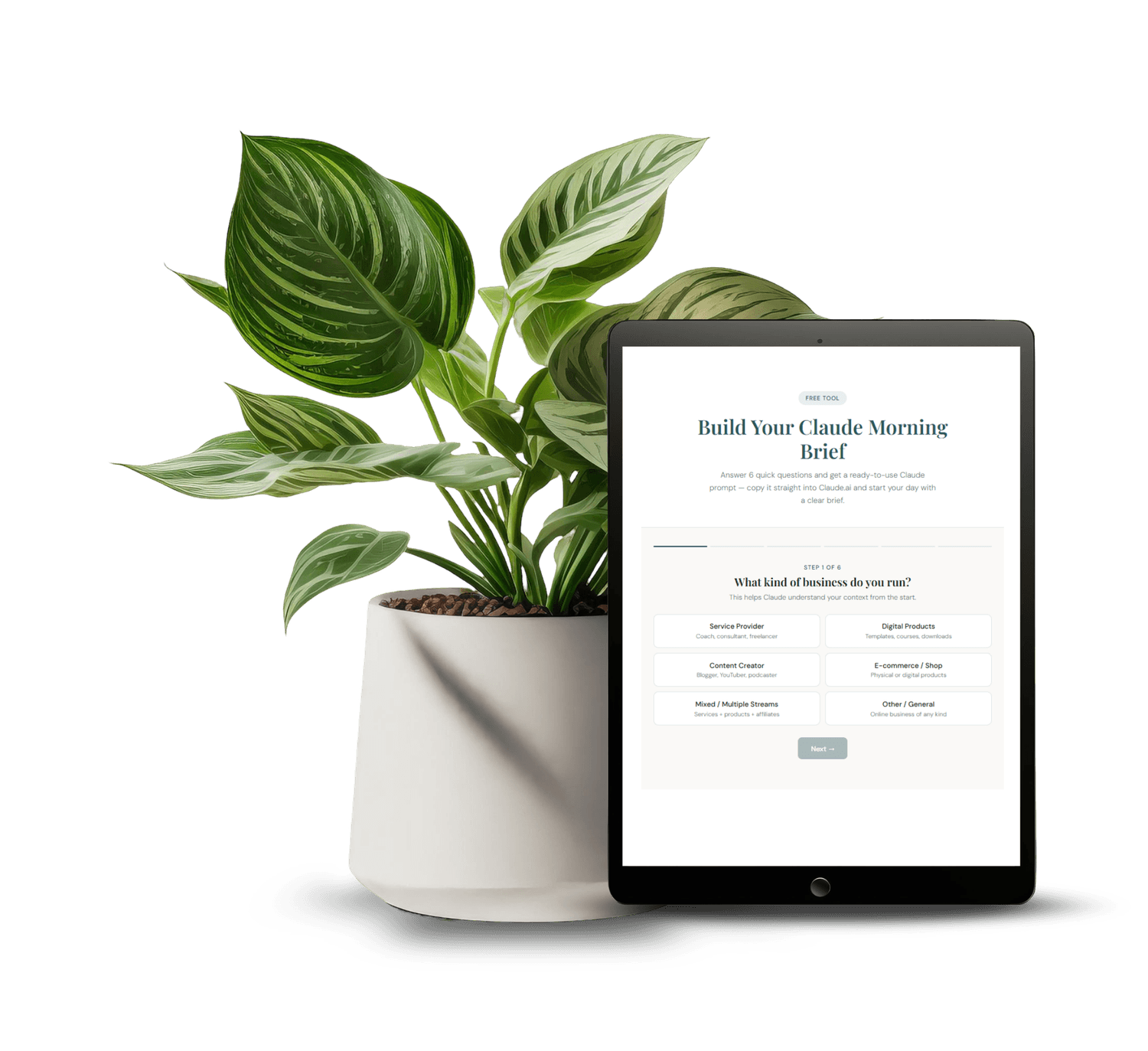
Morning Brief Claude AI Prompt
Set-up your custom morning brief for Claude
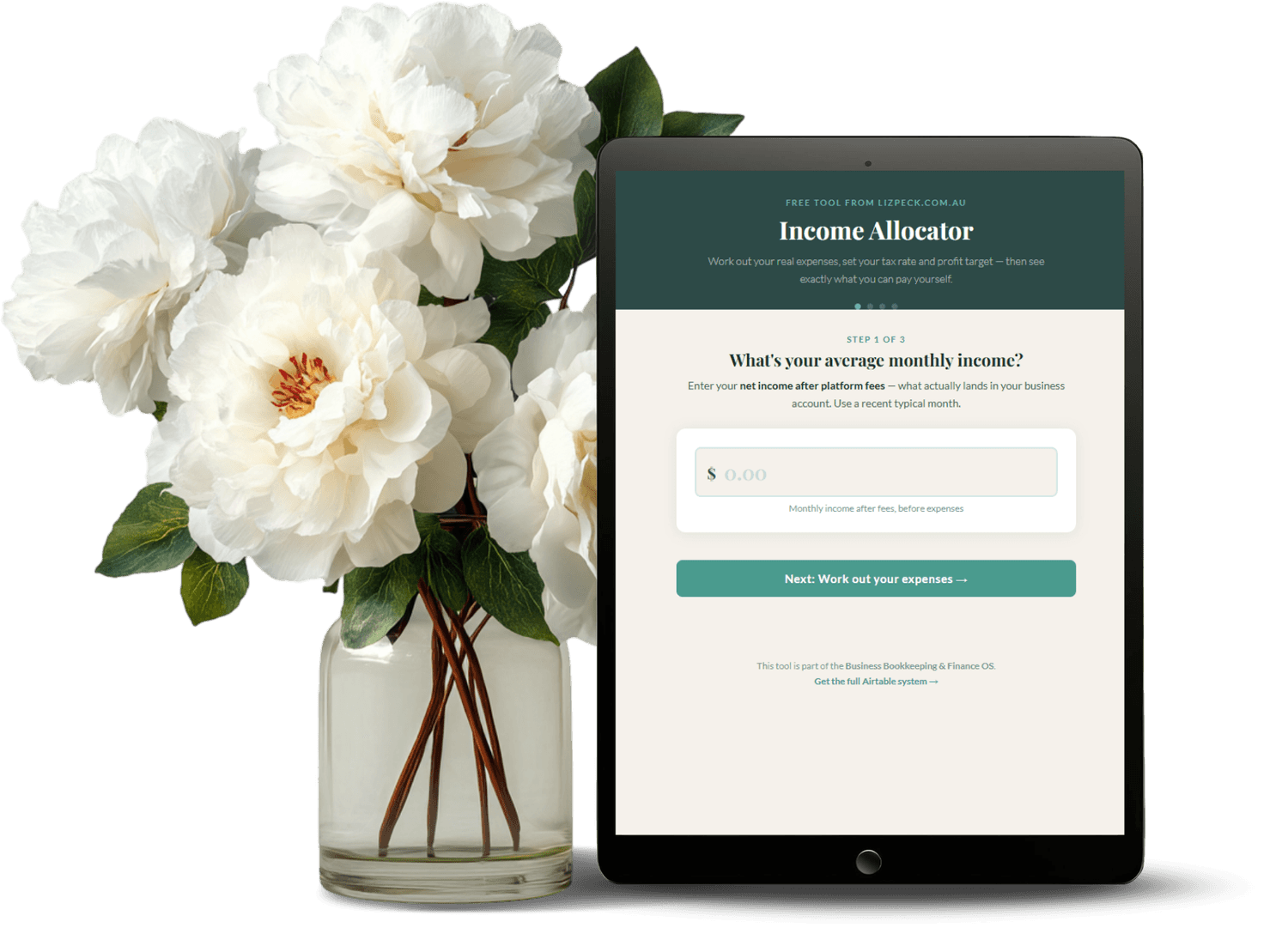
GRAB MY FREE APP
Income Allocator
Work out how to break down your income properly with percentages
How to Write Your First Email Welcome Sequence as a Digital Product Seller
If you've ever launched a digital product and wondered why people signed up but then went silent, it usually comes down to what happens after they join your email list. Most people send the freebie and disappear for a week. Here's the thing: that gap is where you lose them.
Your welcome sequence is the bridge between "I'm interested" and "I actually trust this person". It's not about pitching aggressively. It's about delivering on what you promised, then giving them so much value they actually look forward to your emails. When that's set up properly, everything else gets easier.]
Your First Email Needs to Deliver Exactly What You Promised
The moment someone clicks that confirmation link, they're expecting one thing: the thing they signed up for. Send it immediately. Not tomorrow, not after three hours of them thinking about it. Send the freebie, the checklist, the masterclass link, whatever it was right there in the first email.
This isn't the time to warm them up or tell your story. They don't know you well enough to care yet. They care about the thing they just asked for. Give it to them, confirm what to expect next, and make it easy to access. One clear call to action. Nothing else.
If you promised a PDF, give a clean download link. If you promised access to something, give the login details. If you promised a video, give the link. The first email is not about you. It's about delivering on your word.
Make the Second Email About Them, Not You
After they've downloaded or accessed your freebie, send an email that acknowledges where they probably are right now. If your freebie is about setting up email automation, talk about the chaos of manual sending. If it's a template for product photography, talk about how annoying it is to take consistent photos.
You're basically saying: I know exactly what you're dealing with, and I've been there too. This creates the first real connection point. They feel seen, which is the beginning of actually trusting you.
Bonus Content Beats Generic Advice
Most welcome sequences feel obligatory. Here's where you're different. Include something genuinely useful that isn't just general knowledge they could find on Google. It could be a template they can use immediately, a specific framework you use in your own business, or a behind-the-scenes look at how you actually do the thing.
If your product teaches digital product creation, maybe share the exact spreadsheet you use to track your own product ideas. This is where people start thinking you actually know what you're talking about.
Space Out Your Emails So They Actually Get Read
Sending five emails in three days feels intense. Spacing them out over a week or ten days means people actually open them instead of getting overwhelmed and unsubscribing. You want them to look forward to the next one, not dread seeing you in their inbox.
Typical rhythm that works: Day 1 (freebie delivery), Day 3 (observational email about their problem), Day 5 (bonus content), Day 7 (another useful tip or resource), Day 10 (introduce what you offer, soft). This isn't aggressive but it's consistent enough to build familiarity.
Tell Stories That Show, Don't Tell
Instead of explaining why email marketing matters, tell a story about when you almost gave up on your business because you didn't have a system. Instead of lecturing about digital product niches, share what happened when you picked the wrong one. Stories stick. Lectures get deleted.
Your welcome sequence is prime real estate for showing people who you are through examples, not biography. They learn more about your actual thinking from a three-sentence story than from a paragraph of credentials.
Address the Objection They're Probably Having
Somewhere in your sequence, acknowledge the voice in their head that's saying this won't work for them, it's too complicated, they don't have time, or they've tried things like this before. Don't ignore that resistance. Call it out respectfully.
Say something like: Most people worry they don't have time to set this up, and I get it. But once you have a system, it actually saves time. That acknowledgement makes them feel understood instead of crazy.
Keep Each Email Scannable and Short
People read emails on their phones while doing five other things. Long paragraphs look like walls of text. Break everything into short sentences and short paragraphs. If you're sharing a strategy, use simple numbered steps. If you're telling a story, keep it to 200 words max.
The goal isn't to sound casual, it's to respect that their attention is actually valuable. Shorter emails get more opens on the next send because people remember actually reading it.
Automate the Whole Thing Once and Let It Run
You don't need to send these emails manually. Set it up once in Systeme and every person who signs up gets the full sequence automatically. You write good emails once, then watch them work. A system that only works on your good days isn't a system, so let automation handle the consistency. If you want to go deeper on email strategy as a digital product seller, Dear Subscriber is built specifically for that.
Know When to Transition to Regular Communication
After your welcome sequence finishes, you need a plan for what comes next. Some people move to a regular newsletter, others send promotional emails for new offers, some do a mix. Whatever you choose, the welcome sequence has done its job if they're still opening your next email.
The welcome sequence builds trust and shows you're worth paying attention to. Everything after that is built on that foundation. Get the sequence right and your regular emails will have much higher engagement.
FAQ
Q: How long should my welcome sequence be?
A: Five to seven emails spread over 7-10 days is ideal. Long enough to build a real connection, short enough that people don't forget who you are.
Q: Should I mention my products in the welcome sequence?
A: Yes, but not aggressively. By email four or five, mention what you offer as a natural extension of the value you've been giving. Make it about solving their problem, not about the sale.
Q: What if people unsubscribe during the welcome sequence?
A: That's actually fine. You want people who are genuinely interested. Unsubscribes during the sequence usually mean the welcome sequence isn't resonating with that person, and that's useful information.
Q: Can I use the same welcome sequence for different products?
A: You can if the audience is the same. But the most effective sequences are tailored to the specific product and the specific person who signed up for it.
Q: How do I track if my welcome sequence is working?
A: Look at open rates, click rates, and how many people stick around after the sequence ends. If most stay and open your regular emails, you've nailed it.
Disclaimer: This website may contain affiliate links. If you click a link and make a purchase, I may receive a small commission at no extra cost to you.
Disclaimer:
This website may contain affiliate links. If you click a link and make a purchase, I may receive a small commission at no extra cost to you.
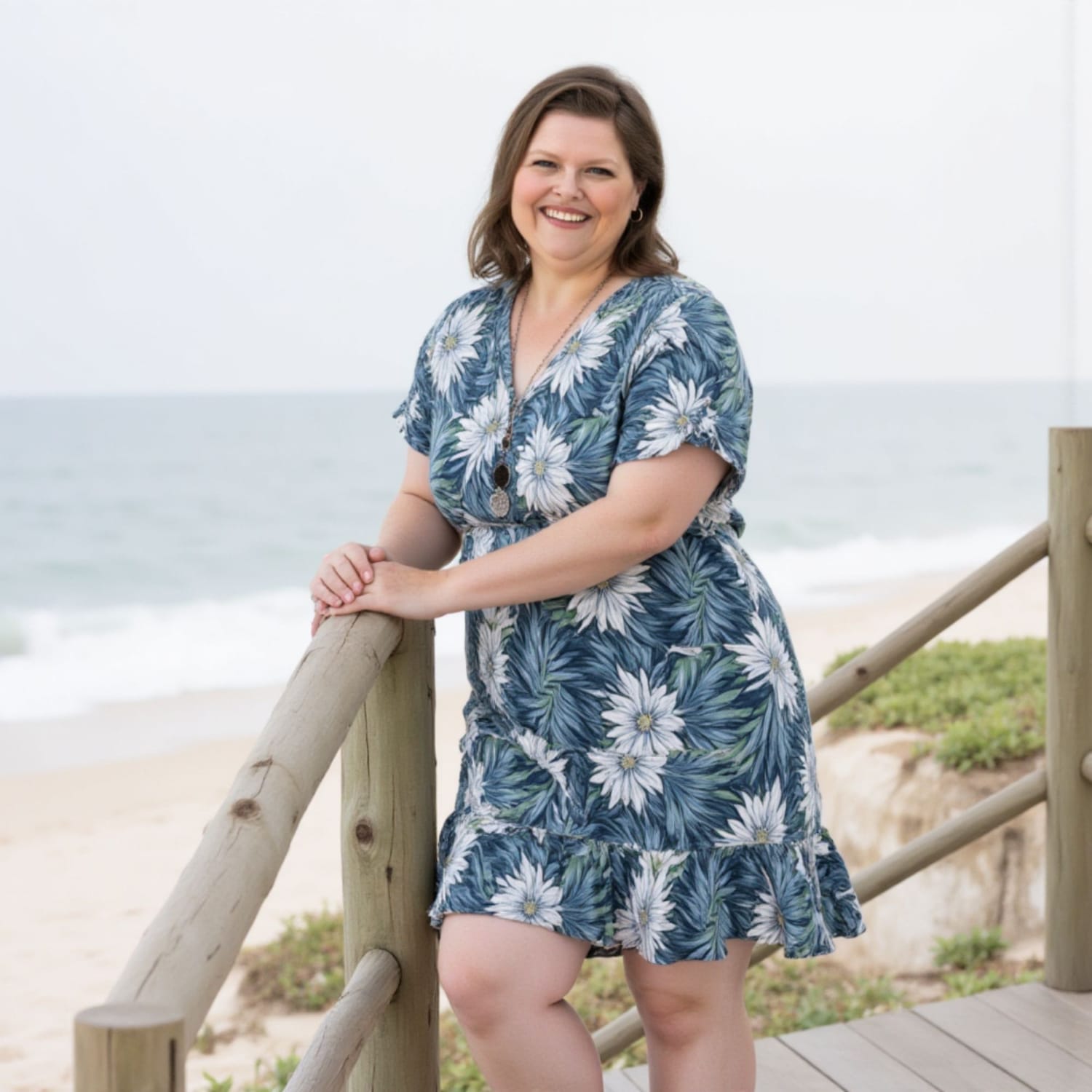
About Liz Peck
Liz Peck helps online business owners build the backend that runs without them - using Airtable for operations, Systeme for sales, and Claude AI for the work you hate doing twice. lizpeck.com.au
Disclaimer:
This website may contain affiliate links. If you click a link and make a purchase, I may receive a small commission at no extra cost to you.